
Building a beautiful and functional outdoor space is a significant investment. When you start thinking about hardscaping in Columbus, it’s natural to wonder how much it will cost. Prices vary widely because every yard is unique, but knowing typical ranges helps you set expectations. The phrase Harscaping Pricing for Columbus Ohio appears in local searches because homeowners want realistic figures before hiring a professional. In this guide, I’ll walk through cost factors, provide high‑end pricing examples, and share tips for planning a long‑lasting outdoor retreat. By the end you’ll have a clear sense of what to expect when budgeting for patios, retaining walls, outdoor kitchens and more.
- Factors That Influence Hardscaping Costs
- Detailed Pricing for Common Hardscaping Projects in Columbus
- Design Trends and Long‑Term Value
- Hiring the Right Partner
- Budgeting Tips for Custom Outdoor Living Spaces
- Permits, Safety and Regulations
- Realistic Expectations: Return on Investment and Resale Value
- Conclusion
Factors That Influence Hardscaping Costs
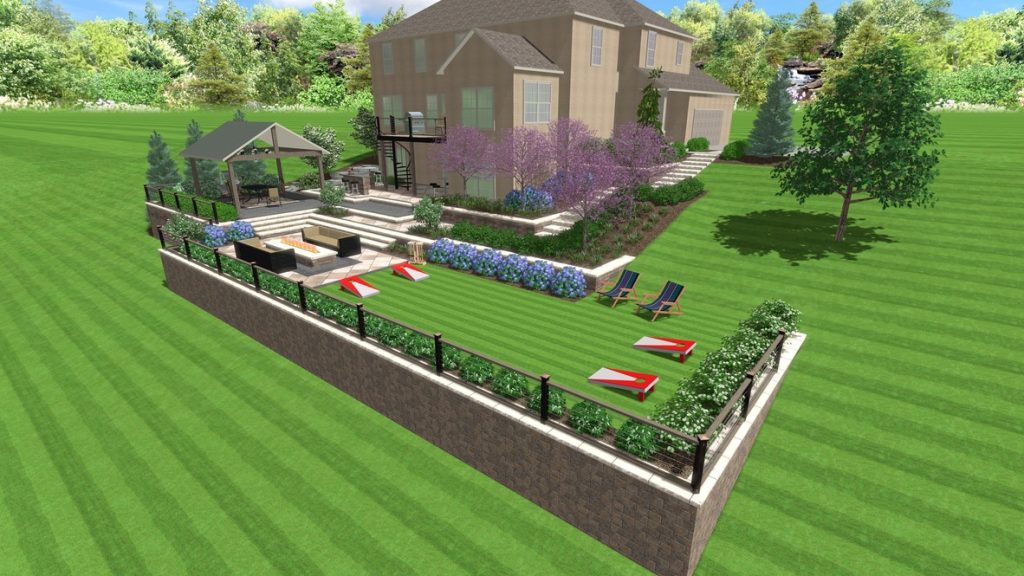
Several elements drive the cost of hardscaping projects in the Columbus area. Materials are a major factor; plain concrete is the most affordable patio surface, while stamped concrete or natural stone pavers cost more per square foot. Size also matters, because larger patios or walkways require more materials and labor, although contractors may charge slightly less per square foot on big projects. Site preparation influences the final bill too: uneven ground, poor drainage or removal of an old patio adds time and expense. Finally, extras like seating walls, fire pits or lighting can double the cost of a basic patio but provide extra comfort and value over the long term.
Labor rates and permits also impact your budget. Professional installers in Columbus need to account for the region’s clay soil and freeze‑thaw cycles. Retaining walls higher than four feet often require an engineer’s stamp and a permit, while patios larger than 200 square feet usually need approval from the city. These regulatory requirements protect your investment but add administrative costs. Experienced crews know how to navigate permits and design hardscapes that stand up to Ohio winters, so factor their expertise into your budget.
Detailed Pricing for Common Hardscaping Projects in Columbus
The table below summarizes typical pricing ranges for popular hardscaping projects. To reflect the higher end of the market, I’ve highlighted premium materials and finishes. Keep in mind that actual costs depend on design complexity, site conditions and chosen contractors.
| Hardscaping service | Typical high‑end cost range | Notes |
|---|---|---|
| Paver patio | $13–$16 per sq. ft. | Sand‑set pavers are more expensive than plain concrete but provide a classic look and easier repairs. |
| Stamped concrete patio | $9–$16 per sq. ft. | Decorative patterns cost more than basic slabs; sealing and maintenance are essential. |
| Paver walkway | $15–$40 per sq. ft. | Total projects range from $3,000–$8,000 for a 200‑sq.‑ft. walkway. |
| Retaining wall (stone) | $25–$40 per square face foot | A 30‑inch‑high, 20‑foot‑long stone wall can cost $1,250–$2,000. |
| Outdoor kitchen | $33–$130 per sq. ft. | Mid‑range custom kitchens (Cincinnati market) run $20,000–$35,000; luxury setups exceed $35,000. |
| Artificial turf installation | $10–$20 per sq. ft. | Prices vary with turf quality and installation complexity; premium turf lasts 15–20 years. |
| In‑ground pool | $50–$125 per sq. ft.; $58,500–$91,000 total | Fiberglass pools are common in Ohio; vinyl is cheaper but less durable. |
| Fire pit (above ground) | $200–$1,500 installed | A 36‑inch propane fire pit averages $850; in‑ground pits run $1,000–$3,000. |
How to Read the Table
These ranges reflect the upper end of typical pricing. For example, a simple 10×10‑foot paver patio might cost less than $2,000, but a large patio with premium stone pavers and integrated lighting could exceed $15,000. When planning your project, calculate square footage first and multiply by a realistic cost per square foot. Then add allowances for design features, site prep and contingencies. Remember that investing in quality materials and expert installation often reduces long‑term maintenance costs.
Design Trends and Long‑Term Value
Hardscaping isn’t just about numbers—it’s also about creating an outdoor space you’ll enjoy for decades. Recent design trends focus on sustainability, cohesion and personal expression. Permeable pavers are growing in popularity because they allow rainwater to pass through joints and return to the soil, reducing runoff and helping replenish groundwater. Products like eco‑friendly pavers with cement‑free facemixes cut carbon emissions while delivering strong, durable surfaces. These options are slightly more expensive up front but support greener living and may reduce drainage costs.
Another trend is biophilic design—integrating natural elements such as greenery, water and fire to foster a deeper connection to nature. Examples include vertical garden walls, organic shapes and the use of plants between pavers. Incorporating water features or a built‑in fire pit creates a sensory experience that elevates your yard from functional to serene. When selecting materials, aim for unity across the patio, steps and walls; matching tones and textures produce a cohesive look. Large‑format slabs are also gaining popularity because they have fewer joints and create a spacious feel.
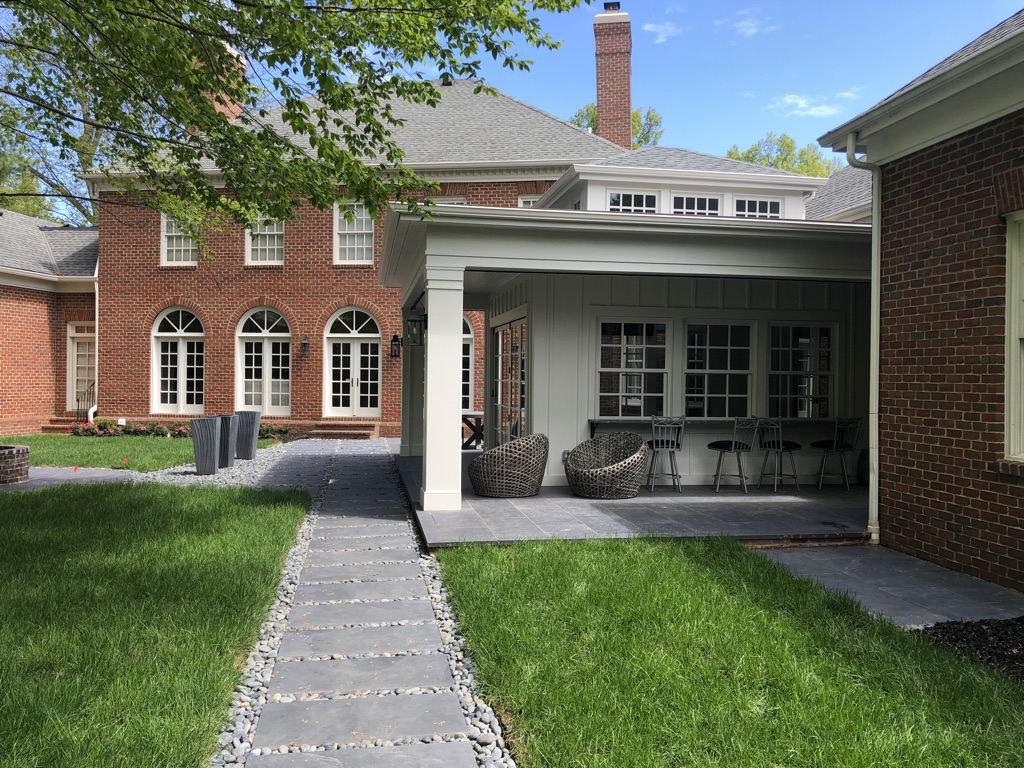
Personalization is the final hallmark of modern hardscaping. You can mix pavers of different shapes, colors and textures to craft unique patterns. Built‑in seating walls, planters or decorative panels add vertical dimension and customize the space. A custom design may cost more than a standard layout, but it ensures your outdoor space stands out and reflects your personality.
Hiring the Right Partner
Working with a knowledgeable Hardscape Design Company can make or break your project. Professionals familiar with Central Ohio’s climate know how to prepare bases for paver patios so they don’t heave during freeze‑thaw cycles. They also handle permits, ensure proper drainage and advise on complementary plantings. When evaluating contractors, ask to see portfolios and verify certifications. Reputable companies provide detailed quotes outlining materials, labor, permits and timelines, so there are no surprises.
For larger projects like Custom Outdoor Living Spaces, consider design‑build firms that manage everything from concept to completion. These experts can integrate features such as Paver Patios into cohesive layouts with outdoor kitchens, fire pits and gardens. Their holistic approach may cost more up front but eliminates coordination headaches and ensures a unified aesthetic. Take the time to read reviews, meet with designers and compare estimates before choosing a partner.
Budgeting Tips for Custom Outdoor Living Spaces
- Prioritize features. Decide which elements—patio, outdoor kitchen, pool or fire pit—are most important. Allocate most of your budget there and add secondary features over time. Homeowners in Cincinnati report that basic outdoor kitchens start around $10,000–$18,000, mid‑range setups cost $20,000–$35,000 and luxury designs can exceed $35,000, so plan accordingly.
- Phase your project. If your dream backyard is beyond the budget this year, break the project into phases. For example, install the patio and grill island this season, then add a pergola or seating wall next year. This approach spreads costs while ensuring each phase is usable on its own.
- Leave room for site prep. Many homeowners underestimate the cost of excavation, drainage and grading. Retaining walls in Columbus often require additional support to hold back clay soils, and pools need proper excavation and grading. Build a buffer into your budget to address unexpected site challenges.
- Invest in durability. High‑quality pavers, stone and turf may have higher purchase prices but lower life‑cycle costs. Premium artificial turf, for example, lasts 15–20 years and reduces watering and mowing expenses. Durable materials also boost resale value and reduce maintenance headaches.
- Work with professionals. DIY projects may save money on labor, but professional installation ensures proper compaction, leveling and drainage. Labor typically accounts for about half the cost of a paver patio and roughly one‑third of an outdoor kitchen, so weigh the savings against the risk of costly mistakes.
Permits, Safety and Regulations
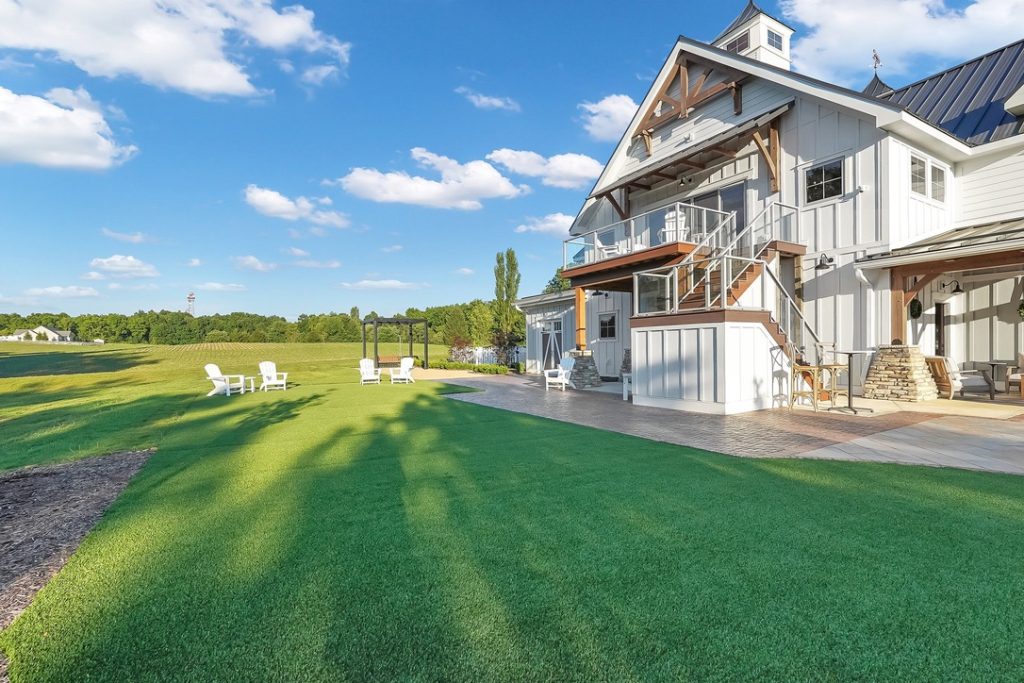
Navigating local codes is an important part of planning your hardscape. In Columbus, patios smaller than 200 square feet generally don’t require a permit, but larger patios usually do. Retaining walls over four feet high often need a structural engineer’s approval, and in‑ground pools require a building permit, electrical permit and sometimes a plumbing permit. Don’t forget to budget for these fees; permits for pools range from $125 to $300.
Safety features are also essential. Pools in Columbus must be fenced with mesh openings no larger than 1¼ inches, and homeowners often add automatic pool covers ($10,000–$15,000) and lighting ($1,000–$1,700). Fire pits come with their own considerations: portable models range from $75–$500, while in‑ground pits can cost up to $3,000. Check local ordinances regarding fire pit clearance distances and fuel types before installation.
Realistic Expectations: Return on Investment and Resale Value
While hardscape projects improve your lifestyle, they can also enhance property value. Research suggests homeowners recover 60%–100% of their outdoor kitchen investment when selling. In‑ground pools in Columbus raise property values by about 7% but have high operating costs. Patios and walkways provide strong curb appeal and everyday utility; when built with quality materials, they can last more than 20 years. Ultimately, the best return comes from projects that balance aesthetics, function and durability.
If you’re still exploring materials, check out Discover the Best Materials for Durable Hardscaping Patios in Ohio for inspiration. Choosing the right paver or stone type affects not just appearance but also cost, maintenance and longevity.
For additional design ideas, the 2025 hardscape trends article offers insights into sustainable materials, biophilic design and personalization. Following these trends can help your project feel fresh and modern for years to come.
Conclusion
Hardscaping offers an opportunity to transform an ordinary yard into a personalized retreat. By understanding Harscaping Pricing for Columbus Ohio, you can plan realistic budgets and prioritize features that matter most to you. Remember that materials, size, site preparation, labor and extras all influence cost. Premium options like eco‑friendly pavers and luxury outdoor kitchens come with higher price tags but provide lasting value and enjoyment. When you’re ready to move forward, partner with a trusted Hardscape Design Company to create Custom Outdoor Living Spaces that stand the test of time. With careful planning and an eye on emerging trends, your Columbus backyard can become a place of relaxation, entertainment and pride.
About the Author
Jeremy is the owner of JML Design – Build, an award-winning hardscape and outdoor living company serving Central Ohio. With more than 40 years of combined industry experience behind the company’s design and build philosophy, Jeremy is dedicated to helping homeowners transform their outdoor spaces into beautiful, functional environments that enhance everyday living. His approach focuses on thoughtful planning, craftsmanship, and creating outdoor spaces that feel like a natural extension of the home.
Through JML Design – Build, Jeremy specializes in designing and constructing custom outdoor living environments including patios, outdoor kitchens, fire features, retaining walls, and professionally designed landscapes. He believes that a well-planned outdoor space should reflect the homeowner’s lifestyle—whether that means entertaining guests, enjoying family barbecues, or creating a peaceful backyard retreat.

