- Setting the Stage for Outdoor Living
- New Albany Homeowners’ Guide to Hardscaping Design: Patios, Walkways & Outdoor Living, Outdoor Kitchens
- Top Hardscaping Elements for New Albany Homes
- 2026 Design Trends in Central Ohio
- Planning Your Hardscape: Budget and Design Considerations
- Choosing the Right Materials for Patios and Walkways
- Outdoor Kitchens and Living Spaces
- Integrating Softscape and Hardscape for Harmony
- Maintenance and Long‑Term Care of Hardscapes
- Working with a Professional Design–Build Partner
- Conclusion
Setting the Stage for Outdoor Living
Hardscaping is the backbone of a yard. It provides structure, accessibility and durability while setting the stage for gardens and lawns. In New Albany, Ohio, where four distinct seasons mean freeze–thaw cycles and heavy rains, strong patios and walkways are essential for year‑round enjoyment. I’ve seen many homeowners discover that investing in well‑planned hardscaping not only enhances curb appeal but also creates inviting outdoor rooms that act as an extension of the house. This blog uses research and real‑world examples to help you plan your own oasis.
Why Invest in Hardscape?
Hardscape features—patios, retaining walls, walkways and fire pits—are built from durable materials like stone, concrete or brick and are designed to last. They increase property value and reduce maintenance compared with living landscape elements, and they let you entertain outdoors without worrying about muddy shoes or eroding soil. According to real estate experts, thoughtfully designed hardscaping can deliver a substantial return when you sell your home. Best of all, the right patio or walkway invites you outside and encourages you to enjoy Central Ohio’s pleasant summers and crisp autumn evenings.
New Albany Homeowners’ Guide to Hardscaping Design: Patios, Walkways & Outdoor Living, Outdoor Kitchens
This section directly addresses the main keyword and explores how to craft a cohesive plan for patios, walkways and outdoor rooms. To design a space that feels like part of your home, start by thinking about how you’ll use it. Do you envision large gatherings, quiet mornings with coffee or outdoor cooking? Once you know your goals, it’s easier to plan zones for seating, dining, cooking and play. Purposeful layouts are one of the biggest trends heading into 2026, with homeowners craving outdoor rooms rather than one big yard.
Creating Outdoor Rooms
Outdoor rooms divide the yard into distinct zones for dining, lounging and cooking. Multi‑zone patios, built‑in seating and outdoor kitchens make these areas feel intentional. A paved path can connect spaces and guide movement through the yard, making the flow natural and inviting. To unify everything, repeat materials or colors throughout the design—stone pavers can link a patio to a fire pit and a walkway.
Considering Drainage and Base Preparation
A beautiful hardscape can fail if water is not managed properly. Drainage‑aware construction is a top priority for 2026. Proper excavation, a compacted base and permeable pavers will prevent pooling water and ice in winter. When designing in New Albany’s freeze‑thaw climate, choose materials that can move slightly without cracking; interlocking pavers excel in cold regions because they handle ground movement. If you opt for concrete, ask your contractor about air‑entrained mixes and expansion joints to reduce cracking.
Top Hardscaping Elements for New Albany Homes
Central Ohio homeowners are drawn to classic features that extend living space and provide year‑round enjoyment. Popular elements include:
- Patios and Walkways: These hardscape staples add usable space and connect areas of the yard. Interlocking pavers offer flexibility and are easy to repair.
- Retaining Walls: Perfect for sloped lots, retaining walls add structure and create flat terraces for gardens or seating.
- Fire Pits and Fireplaces: A built‑in fire feature extends the outdoor season and encourages gathering.
- Outdoor Kitchens: Central Ohio’s barbecue culture makes cooking outside a favorite upgrade—full kitchens with grills, refrigerators and prep space turn backyards into social hubs.
- Water Features: Fountains and ponds add sound and movement while supporting wildlife.
When planning these elements, balance functionality with beauty. A stone retaining wall can double as seating, and a fire pit can be integrated into a patio to maximize space.
Benefits of Investing in Hardscape
Quality hardscapes offer enduring value. Durable materials stand up to weather and heavy use. Patios and walkways bridge indoor and outdoor living, providing additional space for dining and relaxation. Plus, they improve curb appeal and can boost property value. By choosing materials and layouts that complement your home, you create a timeless outdoor environment that serves you for decades.
2026 Design Trends in Central Ohio
Landscape professionals predict 2026 will bring purposeful, eco‑friendly designs that feel like extensions of the home. Here are some key trends shaping outdoor living in New Albany:
Intentional Layouts
Homeowners are seeking spaces engineered as systems, not just surfaces. Random patterns and multi‑size paver layouts improve load distribution and minimize long‑term wear. Designers focus on creating defined seating zones, integrated fire features and seamless transitions between indoor and outdoor areas. These layouts feel cohesive and purposeful, enhancing flow and usability.
Pavers over Concrete
Concrete slabs are falling out of favor because they can crack and are hard to repair. Instead, paver patios and driveways are gaining popularity in 2026. Interlocking pavers offer flexibility during ground movement, easier repairs and a longer lifespan when installed correctly. They also provide excellent drainage and a polished appearance.
Drainage‑Aware Construction
With Ohio’s freeze–thaw cycles, drainage failures are a common cause of hardscape problems. Homeowners are increasingly educating themselves about base preparation, water flow and permeable options. Permeable pavers and well‑planned grading keep patios dry and safe in all seasons.
Indoor‑Level Comfort
The lines between indoors and outdoors are blurring. Design-forward seating with performance fabrics and natural materials creates outdoor spaces that feel cozy and curated. Overstuffed sofas, sculptural accent chairs and stone tables look just as at home outside as they do inside.
Wellness and Multi‑Use Spaces
Saunas, hot tubs, exercise areas and space for yoga or meditation are trending. Homeowners want outdoor areas that support physical and mental well‑being. Flexible design allows the same patio to host a dinner party one night and a quiet yoga session the next.
Eco‑Conscious Planting
Sustainable landscaping is no longer optional. Native and drought‑tolerant plants, rain gardens and permeable hardscapes reduce maintenance and support local ecosystems. Edible landscaping is also growing in popularity, with herbs and fruiting shrubs integrated into garden beds. These choices create vibrant, resilient gardens that thrive in Central Ohio’s climate.
Outdoor Rooms
One of the biggest 2026 trends is creating distinct zones, or outdoor rooms, for dining, lounging, play and quiet retreat. Multi‑zone patios, built‑in seating, outdoor kitchens and fire features make backyards feel like an extension of the home. This approach maximizes the use of every square foot and invites year‑round enjoyment.
Planning Your Hardscape: Budget and Design Considerations
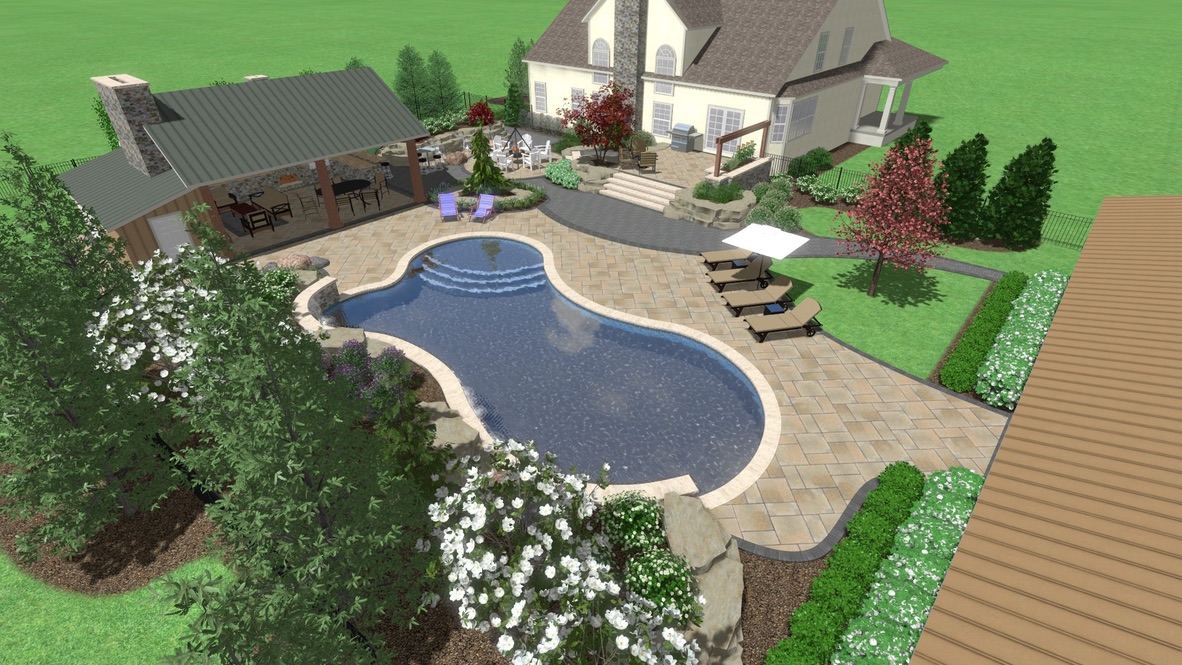
Successful hardscaping projects begin with careful planning. Start by determining your budget, prioritizing features and considering how the space will be used. Do you want a large entertaining area, or are you focused on a small patio for intimate gatherings? Are there children who need play space or aging parents who require accessible pathways? Answering these questions helps you allocate resources effectively.
Budgeting Wisely
Hardscape costs vary widely based on materials and complexity. Concrete is usually the most affordable option and offers quick installation. Pavers have a higher upfront cost but provide flexibility, easy repairs and better performance in freeze–thaw climates. Natural stone is the most expensive but offers unmatched beauty and longevity. When budgeting, factor in base preparation, drainage systems and professional installation to ensure your investment lasts.
Hiring Professionals
A skilled contractor makes all the difference. Quality installation affects longevity more than the materials themselves. Look for companies experienced in local climate conditions and ask about their approach to drainage and base preparation. A reputable professional will help you select materials, design the layout and manage the project from concept to completion.
Zoning and Permits
Check local zoning regulations and homeowners’ association rules before starting. Fire pits, retaining walls and large patios may require permits or adherence to setback requirements. Researching upfront prevents costly changes later.
Choosing the Right Materials for Patios and Walkways
Material selection determines the look, feel and durability of your hardscape. Below is a quick comparison of common options. Note that this table summarizes key points; speak with a professional for specific recommendations.
| Material | Key Benefits (keywords only) | Considerations (keywords only) |
|---|---|---|
| Concrete | Cost‑effective; versatile finishes; low maintenance | Prone to cracking; heat retention; limited repair options |
| Interlocking Pavers | Flexible; easy repairs; excellent drainage; freeze–thaw resistant | Higher initial cost; weed growth between joints; requires skilled installation |
| Natural Stone | Unique beauty; long lifespan; cooler surface; eco-friendly | Premium price; weight considerations; sealing needed for some types |
| Gravel/Mulch Paths | Affordable; good drainage; rustic look | Movement of materials; less stable for furniture; periodic replenishment |
Tailoring Materials to Climate
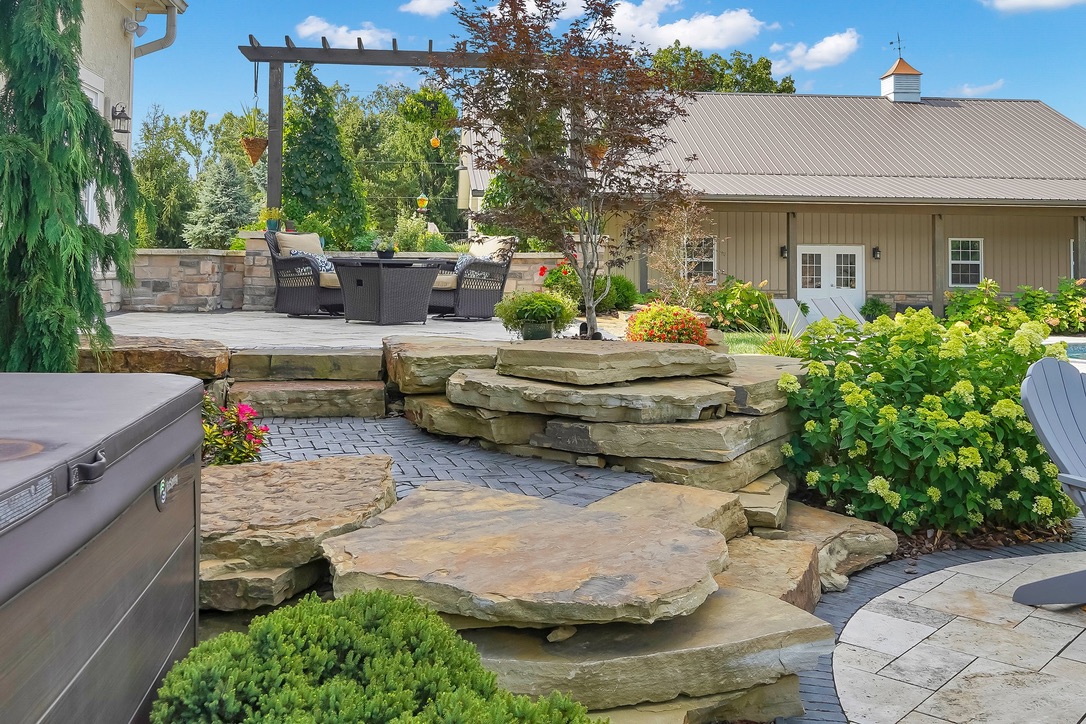
In New Albany’s mixed climate, freeze–thaw resistance is critical. Pavers excel because individual units can move without cracking. For concrete, use air‑entrained mixes and ensure proper drainage to minimize damage. Natural stone such as granite and slate performs well in cold zones due to its density and low porosity.
Design Aesthetics
Choose materials that complement your home’s architecture. Sleek porcelain pavers suit modern homes, while rustic flagstone pairs nicely with traditional or cottage‑style houses. Coordinating colors across pavers, retaining walls and outdoor furniture creates a unified look. You can mix materials—such as a stone border around a paver patio—to add visual interest.
Outdoor Kitchens and Living Spaces
Outdoor kitchens have become a signature feature in many New Albany backyards. They encourage outdoor dining and make entertaining effortless. When planning an outdoor kitchen, think about the elements you need: grill, sink, counter space, refrigerator and seating. Locating the kitchen close to the house reduces steps and makes it easier to connect utilities. High‑performance materials like stainless steel appliances and weather‑resistant cabinetry ensure longevity.
Creating a Cohesive Environment
Integrate the kitchen into the overall design. Use the same pavers or stone on the patio and kitchen island to unify the space. Add a pergola or roof for shade and rain protection. Incorporate a dining area nearby, and consider a bar counter for casual seating. A well‑designed outdoor kitchen can extend your living space and become a central gathering spot for friends and family.
Lighting and Technology
Proper lighting transforms outdoor kitchens and patios into nighttime retreats. Pathway lights, task lighting over cooking areas and accent lighting around landscaping add safety and ambiance. Smart technology—like remote‑controlled lights, built‑in speakers and Wi‑Fi boosters—can make the space more functional and enjoyable. Many homeowners install weatherproof TVs or projectors for outdoor movie nights.
Integrating Softscape and Hardscape for Harmony
Hardscape and softscape elements should work together to create a balanced, inviting landscape. Hardscape provides structure, while landscaping introduces living beauty, color and texture. The most successful yards integrate both.
Planting for Balance
Frame patios and walkways with beds of perennials, shrubs and ornamental grasses. Layered planting adds depth and softens hard edges. Incorporate plants that flower at different times for year‑round interest. Choose native species to support local wildlife and reduce maintenance.
Edible and Functional Gardens
Edible landscaping—herbs, fruiting shrubs and raised vegetable beds—adds flavor and functionality. Place raised beds near the kitchen for easy access. Integrate pollinator‑friendly flowers among vegetables to attract bees and butterflies. Combining beauty and productivity is a hallmark of modern yard design.
Sustainability Practices
Rain gardens and permeable paving absorb runoff and reduce flooding. Smart irrigation systems and drought‑tolerant plants conserve water. Mulching and groundcovers suppress weeds, support soil health and minimize maintenance.
Maintenance and Long‑Term Care of Hardscapes
Regular maintenance ensures your hardscape remains safe and attractive. Sweep paver joints and refill sand as needed. Seal concrete and pavers periodically to protect against stains and weathering. Check retaining walls and steps for movement or cracks. Trim plants near hardscapes to prevent roots from lifting pavers or damaging edges. By caring for your investment, you’ll enjoy it for decades.
Seasonal Tips
In winter, use ice melt sparingly; choose products that are safe for pavers and plants. Avoid metal shovels on stone or paver surfaces to prevent scratches. In spring, inspect drainage systems and clean out debris. During summer, hose down patios to remove pollen and dust. Fall is a great time to sweep leaves and reseal surfaces before freezing temperatures arrive.
Working with a Professional Design–Build Partner
While DIY projects can be satisfying, complex hardscape installations often require professional expertise. A design–build company will guide you from concept through construction, ensuring the design aligns with your vision and budget. They can recommend materials, manage permits and coordinate trades. When choosing a partner, consider their portfolio and ask for references. For Central Ohio homeowners, working with Central Ohio’s Premier Outdoor Living & Hardscape Design – Build Company provides access to skilled designers and craftsmen who understand local conditions. Their team also specializes in Custom Outdoor Living Spaces, tailoring patios, kitchens and living areas to each client’s needs.
Understanding the Difference Between Landscaping and Hardscaping
Many homeowners use “landscaping” and “hardscaping” interchangeably, but they refer to different elements. Hardscaping includes patios, walkways, retaining walls and other non‑living structures. Landscaping (also called softscape) encompasses plants, trees, gardens and other living elements. Understanding the distinction helps you plan a cohesive design that balances structure and natural beauty. For more detail, see What is the difference between landscaping and hardscaping?.
Conclusion
Creating a captivating outdoor space in New Albany requires thoughtful planning, quality materials and an eye for both function and beauty. As trends evolve toward purposeful layouts, eco‑conscious design and indoor‑level comfort, homeowners have the opportunity to craft patios, walkways and outdoor kitchens that enhance their lifestyle. Invest wisely, work with experienced professionals and integrate plantings to soften hardscape features. With the right approach, your backyard will become an extension of your home—an inviting retreat where memories are made.
About the Author
Jeremy is the owner of JML Design – Build, an award-winning hardscape and outdoor living company serving Central Ohio. With more than 40 years of combined industry experience behind the company’s design and build philosophy, Jeremy is dedicated to helping homeowners transform their outdoor spaces into beautiful, functional environments that enhance everyday living. His approach focuses on thoughtful planning, craftsmanship, and creating outdoor spaces that feel like a natural extension of the home.
Through JML Design – Build, Jeremy specializes in designing and constructing custom outdoor living environments including patios, outdoor kitchens, fire features, retaining walls, and professionally designed landscapes. He believes that a well-planned outdoor space should reflect the homeowner’s lifestyle—whether that means entertaining guests, enjoying family barbecues, or creating a peaceful backyard retreat.