- The allure of a backyard pond
- Understanding local permit requirements
- How big of a pond can you build without a permit?
- Navigating wetlands, streams and federal regulations
- Is it legal to dig a pond in your yard?
- Safety, liability and insurance
- Does a pond increase homeowners insurance?
- Environmental impact and responsible construction
- Working with professionals
- Table of typical permit triggers
- Conclusion: transforming your yard safely and legally

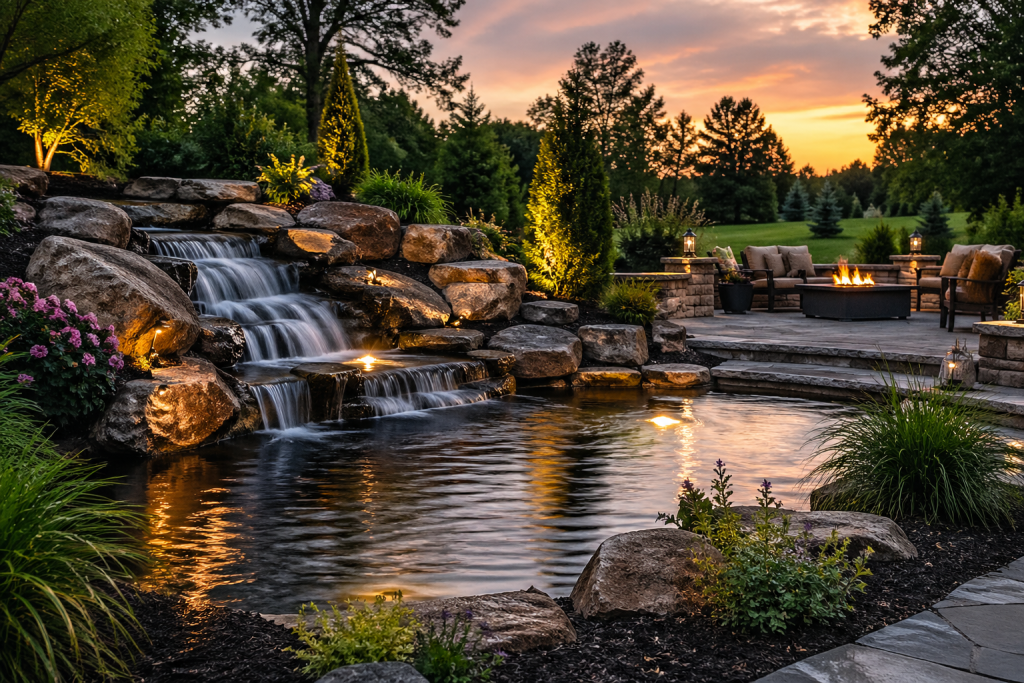
Creating a backyard pond is a dream for many homeowners. It conjures images of koi lazily drifting beneath lily pads, birds sipping at the water’s edge, and the soothing sound of a small cascade. With the popularity of outdoor living spaces, the question naturally arises: is it illegal to make a pond in your backyard? The answer is not straightforward, because legality depends heavily on where you live, how big the pond is, and whether it impacts drainage, neighboring properties or sensitive ecosystems. In this guide I’ll share what I’ve learned about permits, regulations, safety, insurance, and best practices so you can confidently plan a water feature without running afoul of the law.
The allure of a backyard pond
People install ponds for many reasons. A well‑designed water feature becomes the focal point of a landscape, adding movement and sound while attracting frogs, dragonflies and songbirds. A professionally installed Pond Installation often increases curb appeal and may even raise property value by creating a serene oasis. Ornamental ponds also allow gardeners to cultivate aquatic plants or keep colorful koi. For families, a small Backyard Water Feature is a place to teach children about ecosystems and respect for nature. When I built my first pond, I was surprised by how much joy it brought the neighborhood; kids loved watching tadpoles grow, and neighbors often asked for advice on starting their own.
Despite the benefits, ponds aren’t simple holes filled with water. They change how rainfall moves across your yard, and the excavation can disturb soil, utilities, or even hidden drain tiles. Add fish or pumps and you introduce electrical and biological considerations. Because ponds can be hazards if built improperly, most municipalities regulate them, and some homeowners associations (HOAs) may prohibit them outright. Before breaking ground, it’s essential to understand local requirements.
Understanding local permit requirements
There is no universal rule that covers all ponds. Permits and restrictions vary by city, county and state. In some areas you can dig a small water garden without notifying anyone; in others you need engineering drawings and inspections. The general trend is that municipalities look at depth, surface area and how much soil will be moved. They also consider whether the pond will affect drainage or stormwater systems. In Pittsburgh, Pennsylvania, small decorative ponds are treated like accessory structures, but digging more than five feet deep or moving over 50 cubic yards of earth requires a land operations permit. If pumps or lights are installed you may also need an electrical permit. Other suburbs have similar thresholds but different paperwork; for example, in Mt. Lebanon a building permit and fencing are required if the pond is deeper than 24 inches, and a grading permit is needed if the project disturbs more than 500 square feet of soil.

Those examples illustrate why you must consult local offices. Do not assume small means exempt. Some municipalities classify ponds as pools once they exceed certain depth or surface area and then apply swimming‑pool safety rules. Others treat them as landscaping features but still require erosion control or stormwater plans. Always call your city’s zoning or building department before you design the pond. They can explain setbacks from property lines, maximum volumes, or special rules for slopes or floodplains.
Depth and size limitations
Depth is often the first criterion regulators use. Many towns consider anything deeper than 24 inches to be a “pool,” triggering requirements for permits and pool fencing. In New Jersey, towns typically allow ponds with water no deeper than 24 inches and surface area below 300 square feet to be built without a permit. If the project goes beyond those limits, permits may involve safety inspections and installation of fencing. In Pittsburgh, moving more than 50 cubic yards of earth or excavating more than five feet deep requires a land operations permit and possibly a stormwater management plan. In New York, a dam safety permit isn’t required if the height of the impoundment structure is under six feet and the capacity is under one million gallons, or if the height is under 15 feet and capacity is under three million gallons.
Surface area can also trigger regulations. Some town codes specify maximum square footage for ornamental ponds before classifying them as “pools.” Others tie the rule to how much impervious surface you create. If you use concrete edging or plastic liners that hinder infiltration, your pond may count toward impervious surface limits and require a stormwater management plan. These requirements exist to ensure runoff doesn’t overwhelm municipal sewers or flood neighbors.

Stormwater and grading permits
Even shallow ponds can alter drainage. Many jurisdictions require grading permits if you disturb more than a few hundred square feet of soil. The grading permit ensures that slopes are stabilized and that water continues to leave your property in the same place and manner as before. In Medina County, Ohio, county permits address drainage and require that surface water enters and exits the property at the same location it did prior to construction. Ponds larger than a 10‑acre watershed, 1½‑acre surface or a 10 ft dam must be designed by a private engineer and submitted to the county engineer for approval. These rules prevent poorly designed basins from causing erosion or dam failure downstream.
In addition to grading, many municipalities mandate a stormwater management plan when a pond project adds more than 5,000 square feet of impervious area or disturbs a large area. The plan describes how overflow will be handled—often using grassed spillways, overflow pipes or infiltration trenches. Without such planning, a heavy rain could cause your pond to overtop, erode the bank and send sediment or pollutants onto neighboring properties.
How big of a pond can you build without a permit?
There’s no single answer to this question because local codes differ. However, most towns draw the line at depth and surface area. If you want to avoid permits in many communities, keep the pond shallow—under two feet—and modest in size. For example, in the New Jersey towns surveyed by A Frog’s Dream, anything deeper than 24 inches or larger than roughly 300 square feet is treated as a pool and requires a permit and fencing. Similarly, in Mt. Lebanon a pond deeper than 24 inches triggers building and safety requirements. In areas where the pond is part of a dam or impoundment, New York exempts structures under six feet high and with less than one million gallons capacity from dam safety permits.
When planning, check for additional triggers beyond size and depth. Does your town require a grading permit above a certain volume of soil removal? Do they count lined ponds as impervious surface? Will your pond intercept natural drainage or spring water? Each of these factors can necessitate a permit. To avoid surprises, outline your pond dimensions and construction method and ask your local planning department to review it. Getting clarity beforehand can save time and money.
Navigating wetlands, streams and federal regulations
Apart from local codes, there are state and federal regulations that protect wetlands, streams and floodplains. Ponds built in or near regulated wetlands often require permission from state environmental agencies. In New York, disturbing the bed or banks of a protected stream requires a stream protection permit, and excavating or placing fill within 100 feet of a freshwater wetland requires a freshwater wetland permit. If your project involves moving more than 1,000 tons (750 cubic yards) of soil, a mined land reclamation permit is necessary.
At the federal level, Section 404 of the Clean Water Act regulates the discharge of dredged or fill material into “waters of the United States,” which includes many wetlands. While construction and maintenance of farm or stock ponds are generally exempt, new ponds that convert wetlands to dry land or impair flow may require a permit. Activities associated with normal farming, ranching or silviculture operations (like plowing or minor drainage) are exempt, but if building a new pond represents a new use of a wetland and reduces its size or flow, it is not exempt. This means that if your pond project involves altering a wetland or watercourse, you must consult the U.S. Army Corps of Engineers or your state’s environmental agency.
Is it legal to dig a pond in your yard?
Digging a pond is generally legal, but legality hinges on compliance with local and federal laws. If you excavate a shallow feature within your own property, far from wetlands and streams, and within the limits of size and depth established by your municipality, you likely won’t face legal issues. However, if you remove more soil than is allowed without a permit, divert natural drainage, or fail to meet safety requirements, you could be cited and forced to fill the pond back in.
HOAs add another layer of complexity. Many associations have rules about water features to maintain uniform aesthetics or manage liability. Some prohibit ponds altogether; others restrict their size or require pre‑approval of designs. When I lived in a planned community, I had to submit a sketch and materials list before installing even a tiny fountain. The board was primarily concerned about child safety and mosquito breeding. Always check your HOA’s covenants and ask for written approval before you start. Failing to do so can result in fines or legal battles.
Also consider underground utilities. Contact your local “Call Before You Dig” service to mark gas, water, electrical and telecommunications lines. Striking a line while digging is not only dangerous but can lead to hefty repair bills.
Safety, liability and insurance
From a liability standpoint, homeowners can be sued if someone is injured in their pond. Most standard homeowners policies include liability coverage, but insurers classify ponds and pools as “attractive nuisances,” meaning features that might attract children and increase risk. Insurance.com notes that a swimming pool increases premiums because of drowning risk, and it notes that a hot tub or pond on the property can have a similar impact. In my experience, insurers often ask whether you have a pool or spa when quoting a policy. If you add a pond, especially a deep one, inform your insurer. They may raise your premium slightly or require additional liability coverage. However, some rural insurers view ponds as water sources for fire suppression and may not penalize you. Either way, transparency protects you from coverage disputes.
Does a pond increase homeowners insurance?
In most cases, yes—it at least affects your policy. Insurers evaluate risk based on features that could lead to claims. A pond poses a risk of drowning and slip‑and‑fall accidents, so carriers often classify it alongside pools and trampolines. Insurance.com’s analysis of cost factors explains that a hot tub or pond can increase homeowners premiums. How much it increases depends on your insurer, the pond’s depth, whether it’s fenced, and whether you have safety measures like alarms or covers. You may need to raise your liability coverage beyond the standard $100,000 to ensure you’re protected if someone is injured. Umbrella policies are relatively inexpensive and provide an extra layer of protection; I chose one when I added a waterfall to my garden because my existing policy’s liability limit seemed inadequate.
Environmental impact and responsible construction
Designing slopes is another environmental consideration. New York’s private water system rules require pond side slopes no steeper than 2:1 and dam slopes no steeper than 3:1 on the dry side and 2:1 on the wet side. Gentle slopes reduce erosion and make it easier for wildlife to access the water without creating muddy banks. For small ornamental ponds, flexible liners often create near‑vertical sides; in those cases, adding shelves at varying depths provides habitat for aquatic plants and safe entry points for amphibians and birds.
Working with the natural landscape also means respecting existing wetlands and streams. Filling or dredging a wetland can destroy habitat and may violate state or federal law. Even if your project is small, removing topsoil or vegetation can release sediment and nutrients into local waterways. Installing sediment fences, using non‑toxic liners and avoiding excessive fertilizer around the pond help protect downstream environments.

Working with professionals
Pond construction may appear straightforward, but there’s a reason experienced contractors and engineers exist. The Oklahoma State University Extension advises working with the Natural Resources Conservation Service (NRCS) or a private engineer for site assessment and design. These professionals evaluate soil suitability, hydrology, structural safety and compliance with permits. They also know how to design spillways, dams and liners that meet regulatory standards and minimize maintenance. Hiring a professional also saves you from costly mistakes—like choosing a site with poor clay or building an undersized overflow.
When I built my second pond, I consulted with a local pond installer who provided a detailed design. He considered the slope of my yard, the volume of runoff from my roof, and the need for an electrical connection. He also handled the permit application and coordinated with the city inspector. The result was a pond that has remained leak‑free and has never flooded despite heavy rains. Working with a professional does require a higher upfront investment, but the peace of mind and longevity of the pond make it worthwhile.
Table of typical permit triggers
| Location / Context | Key permit triggers | Notes |
|---|---|---|
| Pittsburgh, PA | Digging more than 5 ft deep or moving >50 cubic yards of earth requires a land operations permit. Electrical permits are needed for pumps or lighting. | Stormwater plan required if disturbing >10,000 sq ft or adding >5,000 sq ft of impervious surface. |
| Mt. Lebanon, PA | Ponds deeper than 24 inches or disturbing >500 sq ft require building and grading permits; fencing may be required. | Placement rules often require the pond to be at least 10 ft from property lines. |
| New Jersey (various towns) | Many towns classify ponds deeper than 24 inches or larger than 300 sq ft as pools; these need permits and fencing. | Shallower, smaller ponds typically exempt, but always call local zoning office. |
| New York State | Dam safety permit not required if height ≤6 ft and impounding capacity ≤1 million gallons, or height <15 ft and capacity <3 million gallons; separate permits required for disturbances to streams or wetlands. | Additional permits may be needed if excavating ≥1,000 tons (750 cubic yards) of soil. |
| Federal (Clean Water Act) | Discharge of dredged or fill material into waters of the U.S. requires a Section 404 permit, unless activities are exempt for normal farming, ranching or maintenance of farm/stock ponds. | New ponds converting wetlands to upland require permits. |
Conclusion: transforming your yard safely and legally
Building a pond in your backyard isn’t inherently illegal, but it is regulated. Most communities allow small, shallow water features without permits, yet larger or deeper ponds require approval, safety measures and sometimes engineering. Regulations vary, so treat your pond project like any other home improvement: do your research, consult professionals, and communicate with local authorities. Beyond legal compliance, think about safety, environmental stewardship and long‑term maintenance. A Waterfall Installation or pond can become a cherished element of your landscape, but only if it’s built thoughtfully. With proper planning and respect for the rules, you can enjoy the sight and sound of water at home while avoiding headaches down the road.
About the Author
Jeremy is the owner of JML Design – Build, an award-winning hardscape and outdoor living company serving Central Ohio. With more than 40 years of combined industry experience behind the company’s design and build philosophy, Jeremy is dedicated to helping homeowners transform their outdoor spaces into beautiful, functional environments that enhance everyday living. His approach focuses on thoughtful planning, craftsmanship, and creating outdoor spaces that feel like a natural extension of the home.
Through JML Design – Build, Jeremy specializes in designing and constructing custom outdoor living environments including patios, outdoor kitchens, fire features, retaining walls, and professionally designed landscapes. He believes that a well-planned outdoor space should reflect the homeowner’s lifestyle—whether that means entertaining guests, enjoying family barbecues, or creating a peaceful backyard retreat.