- Understanding the basics: what is the difference between landscaping and hardscaping?
- Hardscaping defined: non‑living elements and design
- Landscaping defined: the living canvas
- Does landscaping include hardscaping? Understanding what is the difference between landscaping and hardscaping?
- The art of blending: creating Custom Outdoor Living Spaces
- Design considerations: Hardscape Design and Landscape & hardscape lighting
- Benefits, impacts and maintenance: why knowing what is the difference between landscaping and hardscaping matters
- What are common hardscaping mistakes?
- Conclusion: shaping your outdoor story
Understanding the basics: what is the difference between landscaping and hardscaping?
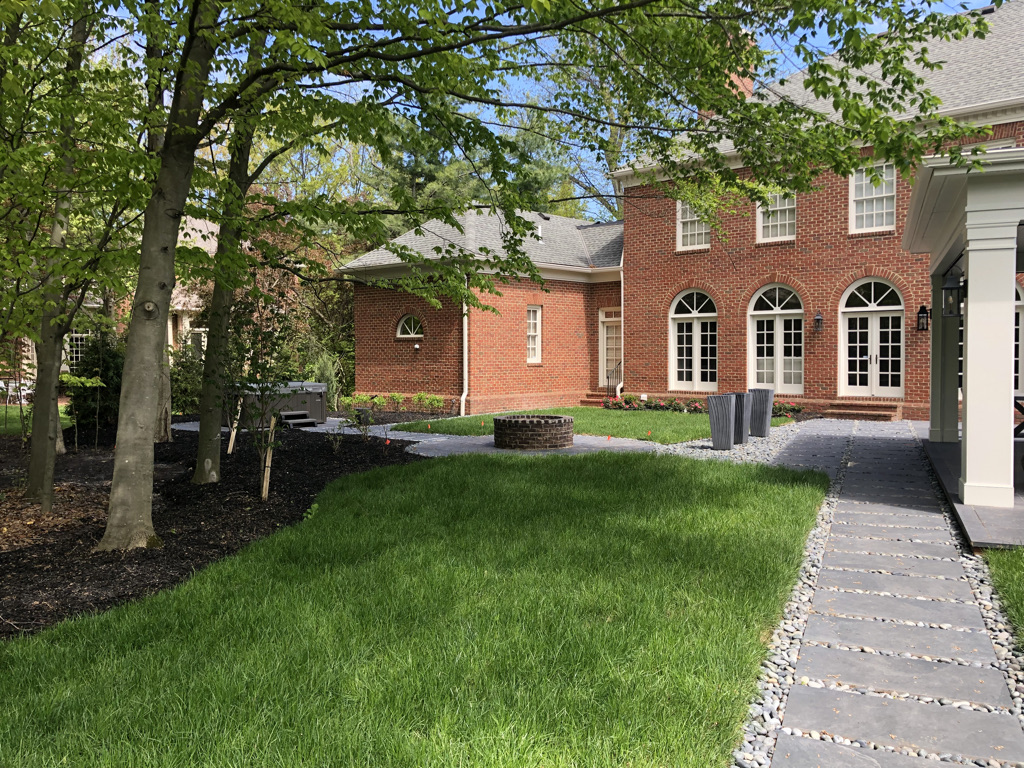
When you begin to plan an outdoor space, the question what is the difference between landscaping and hardscaping? often comes up. Landscaping generally covers the living elements—grass, trees, shrubs, and flowers—that bring life and color to a yard. Hardscaping covers the non‑living pieces like patios, paths, and retaining walls that lend structure and utility. I like to think of landscaping as the soft, evolving canvas and hardscaping as the sturdy framework that holds everything together. Knowing the difference helps you decide where to focus your budget and energy for the results you want.
Hardscaping defined: non‑living elements and design
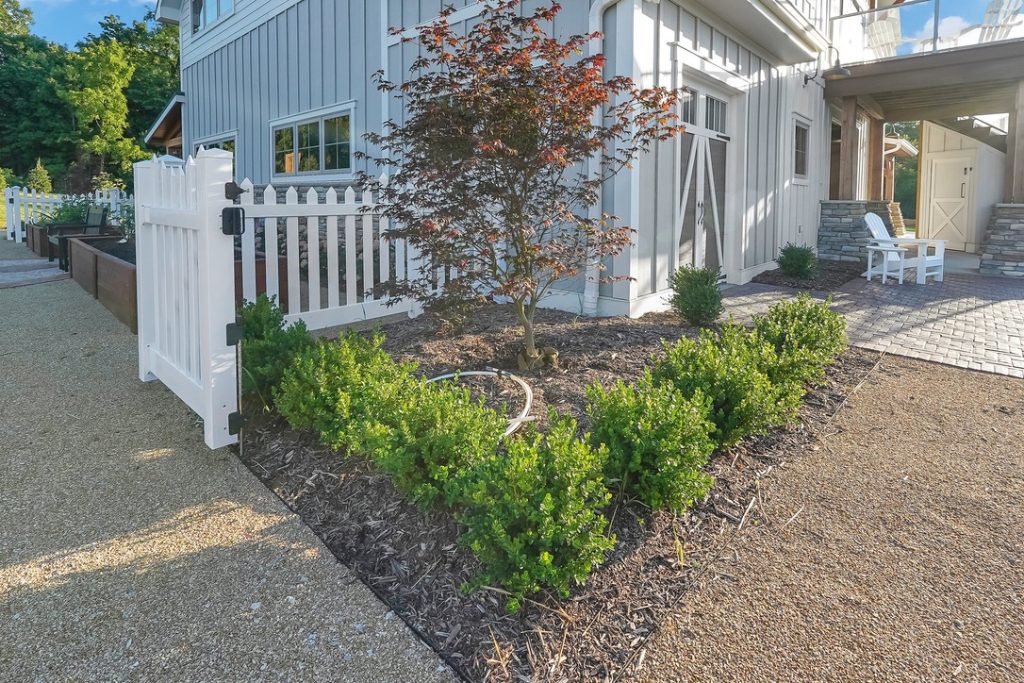
Hardscaping includes all of the man‑made or non‑living elements that make your outdoor living possible. Patios built from stone or concrete, walkways connecting spaces, retaining walls that manage slopes, decks, pergolas, fire pits, and even decorative boulders all fall into this category. These features are durable and often require a higher upfront investment because they need proper foundations and skilled installation. Once built, though, they demand minimal upkeep—there is no watering or pruning, just occasional cleaning or sealing to keep surfaces in good shape. If you want to extend your living area outdoors or add functional areas for entertaining, hardscaping is your friend.
Landscaping defined: the living canvas
On the other side of the equation are the living elements we commonly call landscaping or softscaping. Lawns, flower beds, shrubs, trees, groundcovers, and the soil they grow in are the components that bring movement, scent, shade, and seasonal change to a yard. These features require thoughtful planning because different plants have specific sunlight, soil, and moisture needs. When done well, landscaping improves air quality, supports local wildlife, and offers year‑round beauty as plants bloom and change. It also demands regular care—watering, mowing, pruning, fertilizing, and pest management—so be realistic about the time you can invest before you decide to plant expansive gardens or lush lawns.
Table: differences at a glance
| Category | Landscaping (softscape) | Hardscaping |
|---|---|---|
| Elements | lawns, trees, shrubs, flowers | patios, paths, decks, walls, fire pits |
| Materials | soil, mulch, plants | stone, brick, concrete, wood, metal |
| Purpose | beauty, habitat, shade, seasonal change | structure, function, seating, drainage |
| Maintenance | watering, pruning, mowing, fertilizing | occasional cleaning, sealing |
| Cost profile | lower upfront but ongoing upkeep | higher upfront cost, low maintenance |
| Environmental impact | improves air quality, supports wildlife | manages slopes, directs water, adds safety |
Does landscaping include hardscaping? Understanding what is the difference between landscaping and hardscaping?
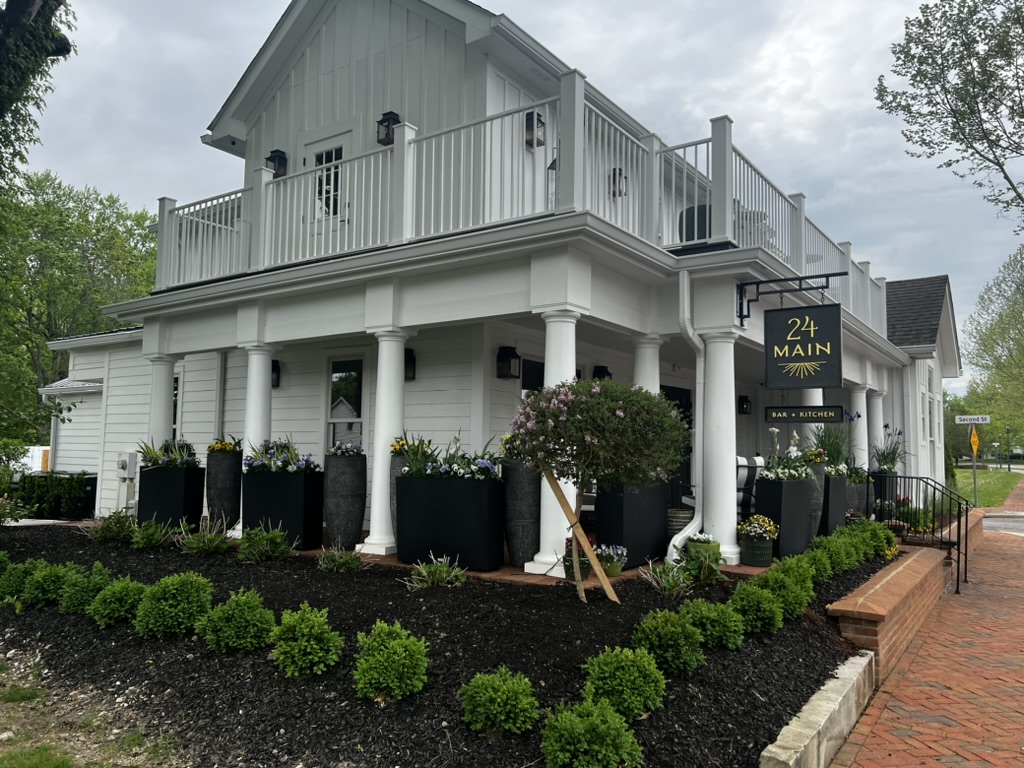
It might be tempting to lump hardscapes into landscaping because both contribute to your yard’s look. However, what is the difference between landscaping and hardscaping? lies in the nature of the elements. Landscaping does not include hardscaping; rather, it complements it. Trees and shrubs soften the edges of stone walls, and flower beds add color around a patio. When you design an outdoor space, think of landscaping and hardscaping as partners—one brings life and texture while the other provides structure and usability. This perspective makes it easier to balance them rather than wonder if one should replace the other.
The art of blending: creating Custom Outdoor Living Spaces
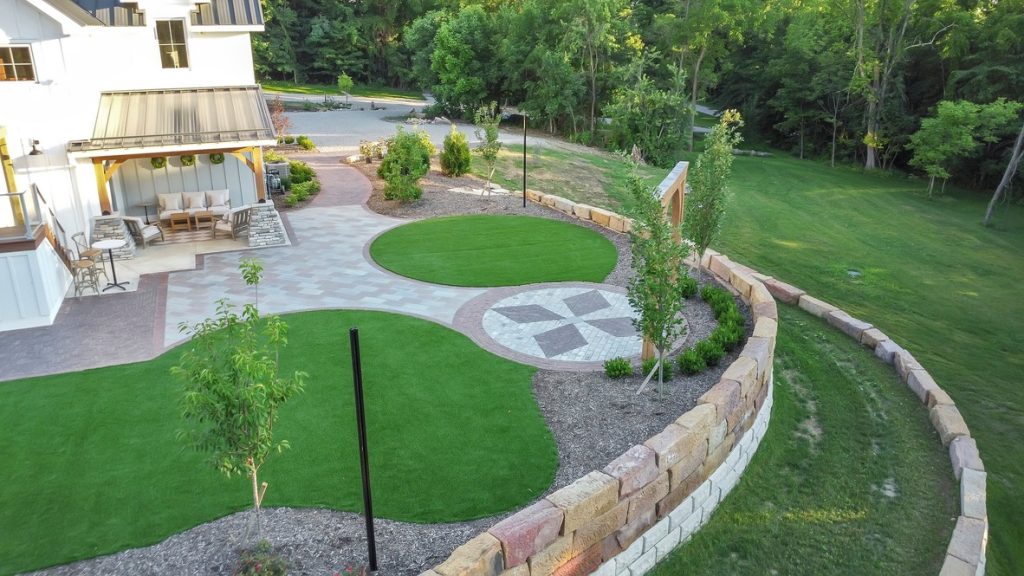
Combining landscaping and hardscaping thoughtfully turns a plain yard into a tailored retreat. Imagine a stone patio that flows seamlessly into a garden with perennials spilling over a low wall, or a pergola draped with vines providing shade for an outdoor dining area. In my experience, the best outdoor environments are those that integrate plants and structures in ways that encourage movement and create distinct zones—cooking, dining, play, and relaxation. When I work with clients, I emphasize the importance of unity: the materials of the patio should echo the colors found in the planting beds, and pathways should guide you from one area to another. Thoughtful blending results in custom outdoor living spaces that feel cohesive, inviting, and highly functional.
Design considerations: Hardscape Design and Landscape & hardscape lighting
Designing an outdoor space goes beyond picking pavers and planting flowers; it involves understanding how people will move through and use the area. Hardscape Design should consider scale, proportion, and circulation. For instance, a small yard might benefit from curved pathways and compact seating areas, while a larger property could accommodate expansive patios and terraced retaining walls. Choosing the right materials matters too: stone offers timeless appeal, while composite decking can be low‑maintenance; local climate and freeze–thaw cycles should inform your choices. Lighting ties everything together—Landscape & hardscape lighting highlights pathways, accents plants, and extends usability into the evening. Plan for layered lighting, including path lights for safety, spotlights for focal points, and ambient lighting to create mood. If you want an outside perspective on balancing these elements, consider consulting an expert guide on landscaping vs. hardscaping.
Benefits, impacts and maintenance: why knowing what is the difference between landscaping and hardscaping matters
Understanding what is the difference between landscaping and hardscaping? helps you leverage the unique benefits of each. On the environmental side, landscaping improves air quality, reduces soil erosion, provides shade, and creates habitats for pollinators and birds. Strategically placed trees can lower cooling costs in summer and block winds in winter. Hardscaping addresses practical concerns: patios and decks offer additional living space, walkways improve accessibility, and retaining walls prevent soil erosion and manage water drainage. Together, they enhance curb appeal and property value, making your home more attractive to potential buyers. By balancing both, you create a yard that is beautiful, functional, and environmentally responsible.
Deciding whether to tackle projects yourself or hire professionals depends on the complexity and scale of the work. Installing a few stepping stones or planting a small bed can be a satisfying do‑it‑yourself project. Building a retaining wall or designing a multi‑level patio, on the other hand, requires specialized skills in excavation, compaction, and drainage; these projects are best left to experienced contractors. Maintenance also plays a role in your long‑term satisfaction. Plants require ongoing care, and you need to consider how much time you want to spend watering, pruning, and mowing. Hardscape features may need to be resealed periodically or cleared of debris, but overall they are less demanding. Planning for maintenance and future use ensures your outdoor investment remains enjoyable and functional for years.
What are common hardscaping mistakes?
Many homeowners make missteps when planning hardscape projects. One common mistake is ignoring drainage; without proper grading and drainage, water can pool on patios or around foundations, leading to erosion and structural damage. Failing to create a master plan is another issue—jumping into construction without phased planning can lead to mismatched materials or awkward layouts that are costly to change. Design flexibility also matters; overly permanent seating or rigid layouts can make it difficult to adapt the space for different gatherings or future needs. Professionals warn against installing weed fabric under gravel because weeds often push through the seams and the fabric becomes visible, creating an eyesore. Finally, vast expanses of hard surfaces without planting can feel harsh and uninviting; raised walls or planters should be softened with vines, shrubs, or cascading plants to make the space feel alive.
Conclusion: shaping your outdoor story
In the end, the question what is the difference between landscaping and hardscaping? is more than academic—it guides the way you shape your outdoor story. Landscaping breathes life into the garden, offering color, texture, and ecological benefits. Hardscaping provides structure, accessibility, and enduring function. When you understand how these elements differ and how they work together, you can design outdoor environments that reflect your personality and suit your lifestyle. Whether you’re drawn to lush plantings, sleek stone patios, or a harmonious blend of both, thoughtful planning will lead you to a space where you can relax, entertain, and enjoy the natural world just outside your door.
About the Author
Jeremy is the owner of JML Design – Build, an award-winning hardscape and outdoor living company serving Central Ohio. With more than 40 years of combined industry experience behind the company’s design and build philosophy, Jeremy is dedicated to helping homeowners transform their outdoor spaces into beautiful, functional environments that enhance everyday living. His approach focuses on thoughtful planning, craftsmanship, and creating outdoor spaces that feel like a natural extension of the home.
Through JML Design – Build, Jeremy specializes in designing and constructing custom outdoor living environments including patios, outdoor kitchens, fire features, retaining walls, and professionally designed landscapes. He believes that a well-planned outdoor space should reflect the homeowner’s lifestyle—whether that means entertaining guests, enjoying family barbecues, or creating a peaceful backyard retreat.