
Designing a patio should feel personal. Years ago, my dad and I spent a humid summer weekend transforming our muddy backyard into a gathering space. We sat on overturned buckets, shoes full of sand, piecing together square stones like a puzzle. That weekend taught me that the material you choose isn’t just a surface—it’s a foundation for memories. In this guide I’ll share what I’ve learned from hands‑on experience and research to help you choose paver patio materials that balance durability and style.
- Understanding paver patio materials
- What are the advantages of paver patios over concrete?
- Concrete pavers: versatile and affordable
- Clay brick pavers: classic appeal and longevity
- Natural stone pavers: premium beauty and performance
- Porcelain and composite innovations
- Are concrete, brick, or natural stone pavers better?
- What is the best paver material for cold climates?
- Working with local contractors
- Custom designs and professional support
- Real‑world experiences and inspiration
- Conclusion and next steps
Understanding paver patio materials
Pavers are individual units—usually made of concrete, clay, natural stone or composite materials—that interlock to create a flexible surface. They differ from poured concrete because they can move slightly, which prevents cracking. Individual pavers can be replaced one at a time, making repairs simple and cost‑effective. The right material depends on climate, aesthetics and maintenance preferences. Before comparing options, consider how the patio will be used and who will install it.
Pavers are not one‑size‑fits‑all. Concrete units can mimic stone and come in dozens of shapes and colors; clay bricks offer traditional charm; natural stone lends unique character; porcelain and composites push design boundaries. Each responds differently to weather, foot traffic and maintenance routines. To make sense of the options, let’s examine their strengths and weaknesses.
What are the advantages of paver patios over concrete?
Switching from a concrete slab to a paver patio made a world of difference in my yard. The interlocking design meant that small movements in the soil didn’t crack the surface. When our nephew spilled grease from the grill, we simply popped out the stained paver, cleaned it and put it back. That kind of repair is impossible with a monolithic slab. Pavers also offer more design flexibility. You can mix colors, create herringbone or basket‑weave patterns, or edge the patio with a contrasting border. Drainage improves because water filters through the joints instead of pooling on the surface, reducing slip hazards and protecting the foundation. Finally, pavers tend to be cooler under bare feet and provide better traction when wet, making them safer around pools and for children and older family members.
Concrete pavers: versatile and affordable
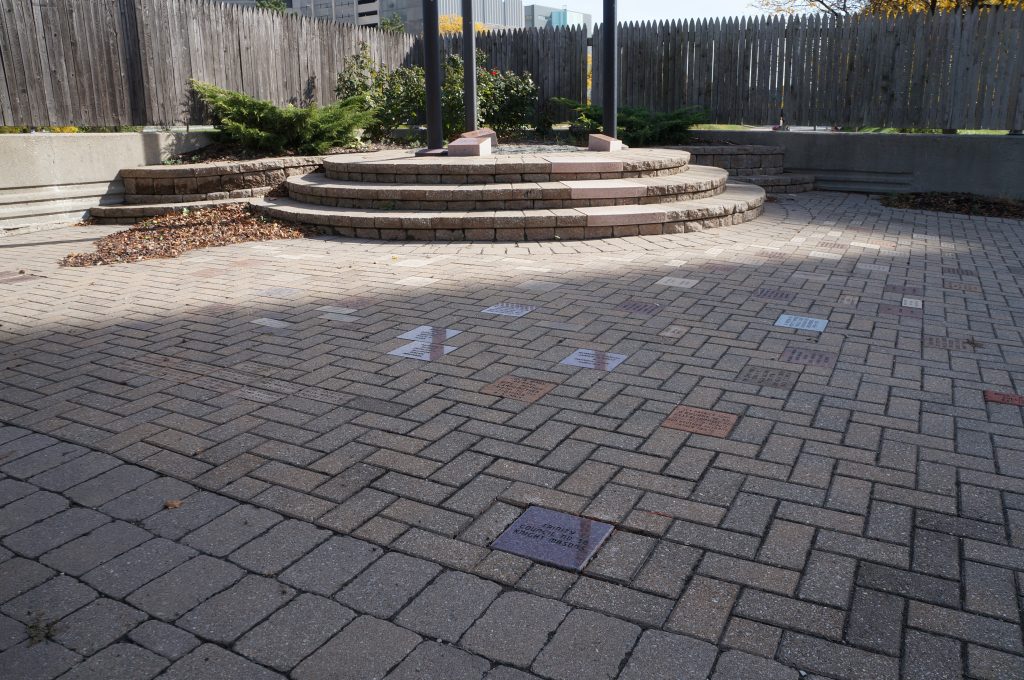
Modern concrete pavers are made in controlled environments, giving them consistent density and strength. They come in many shapes (square, rectangle, hexagon, fan) and textures (smooth, textured, cobblestone), and can mimic natural materials like slate or wood. A well‑installed concrete paver patio can flex with ground movement, reducing the risk of cracks. The downside is that concrete pavers can fade over time if they’re not sealed regularly, and lighter colors may stain. Regular sealing—every one to two years—is recommended to maintain appearance and slip resistance. Still, for homeowners who want a cost‑effective option with nearly endless design possibilities, concrete pavers remain a top choice.
Styles and uses
Concrete pavers shine in modern settings. Large rectangular units with crisp edges create sleek lines that complement contemporary architecture. Smaller units arranged in herringbone patterns offer both visual interest and added structural strength. Cobblestone‑style pavers with tumbled edges lend a rustic feel reminiscent of European streets. Because the manufacturing process is flexible, concrete can be molded into permeable varieties that allow water to filter through, supporting eco‑friendly landscapes. For pool decks, look for textured surfaces that remain slip resistant when wet.
Clay brick pavers: classic appeal and longevity
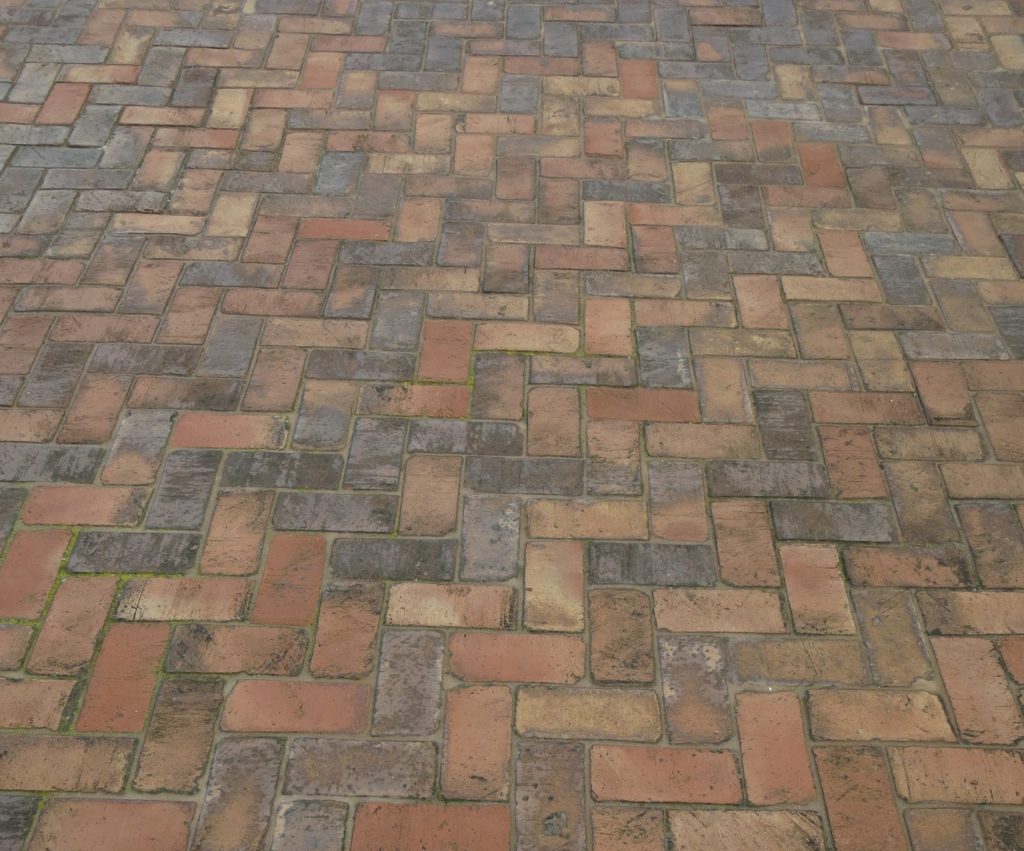
Brick pavers are made from fired clay, giving them density and strength that has stood the test of time. When I visit historic downtowns, I notice that many sidewalks laid with clay brick more than a century ago still look inviting. Brick pavers offer warm earth tones—reds, browns, and tans—and can be arranged in running bond, basket‑weave or herringbone patterns. Their uniform sizes make them easier to install and replace individually. Properly installed brick pavers can last 25 years or more with minimal maintenance. They resist fading better than concrete but should still be sealed to protect against staining and moisture intrusion.
Pros and cons
Brick pavers bring undeniable charm and a sense of heritage. They pair beautifully with Craftsman and traditional architecture. However, they are generally more expensive than concrete pavers and may require resealing every two to three years. Brick can crack or shift if installed on an unstable base, so investing in a professional installation is essential. Because clay brick is porous, it may not be ideal for extremely wet or freeze‑thaw climates without proper sealing.
Natural stone pavers: premium beauty and performance
Natural stone pavers, such as flagstone, travertine, bluestone and granite, elevate a patio into a work of art. No two stones are exactly alike; variations in color, veining and texture create an organic, high‑end look. When I stand on a flagstone patio, I feel like I’m in a mountain lodge, even if I’m just in suburban Ohio. Travertine remains cool underfoot in hot sun, making it an excellent choice around pools. Granite and bluestone offer superior density and low porosity, making them ideal for high‑traffic areas and cold climates.

Durability and maintenance
The density of natural stone provides excellent compressive strength and longevity. Granite, for instance, resists scratching and freeze‑thaw damage thanks to its low porosity, while bluestone offers similar qualities with a more uniform color palette. Travertine is a softer stone that feels comfortable under bare feet but requires diligent sealing to prevent staining and efflorescence. Natural stone typically costs more than manufactured pavers, and repairs are trickier because matching a replacement stone to aged pieces can be challenging. Still, for homeowners who prioritize aesthetics and don’t mind the investment, stone pavers deliver timeless appeal.
Porcelain and composite innovations
In recent years, porcelain and composite pavers have gained popularity. Porcelain pavers are fired at extremely high temperatures, resulting in a material that is incredibly dense, low‑absorption and resistant to staining. They come in large format sizes and can replicate wood grain, marble veining or concrete. Their non‑porous surface makes them ideal for kitchens and rooftop patios. Composite pavers are made from recycled rubber or plastic mixed with minerals, creating lightweight, shock‑absorbing surfaces suitable for rooftop terraces and playgrounds. While composites offer environmental benefits and easy installation, they lack the natural look many homeowners desire and can become hot under direct sun.
Sustainability and style
Porcelain pavers provide sleek, modern aesthetics with minimal maintenance. They resist freeze‑thaw cycles and chemicals, making them a smart choice in regions with harsh winters or near saltwater pools. Composite pavers appeal to environmentally conscious homeowners because they repurpose waste materials. They also offer slip resistance and cushioning, which is helpful around play areas or fitness zones. For homeowners seeking a cutting‑edge look, these innovative materials open up exciting design possibilities beyond traditional stone or concrete.
Are concrete, brick, or natural stone pavers better?
There is no one‑size‑fits‑all answer; the best material depends on your priorities. Concrete pavers offer the greatest versatility and affordability. They are available in countless colors, shapes and patterns and can mimic other materials at a lower cost. With proper sealing, they can last decades. Brick pavers provide historic charm and a warm color palette. They work best in traditional designs and can be replaced easily if damaged, but they cost more and require periodic maintenance. Natural stone provides unmatched beauty and strength. Travertine keeps cool around pools; granite and bluestone handle heavy loads and freeze‑thaw cycles. Stone is the most expensive option and requires professional installation but adds significant value and luxury to a property. Porcelain and composite pavers introduce durable, low‑maintenance alternatives with contemporary aesthetics.
When choosing, think about the architectural style of your home, your budget, and your willingness to maintain the surface. A sleek modern house may benefit from large format concrete or porcelain pavers, while a cottage or colonial might look best with brick or flagstone. In all cases, proper base preparation and expert installation will make more difference than the material itself.
What is the best paver material for cold climates?
Living in Columbus, Ohio, I’ve learned that freeze‑thaw cycles punish patios. Water seeps into porous surfaces, freezes, expands and cracks the material. Interlocking concrete pavers are widely regarded as the top choice for cold climates because the joints allow for slight movement. Low‑porosity pavers, such as dense concrete, granite or bluestone, resist water absorption and handle temperature swings. A proper base is critical—excavation should reach below the frost line, and the pavers should be set on a compacted aggregate foundation with polymeric sand filling the joints. Natural stone like granite or bluestone performs well if it is thick enough and properly installed, but porous stones like limestone or unsealed travertine may crack in repeated freeze‑thaw cycles. Porcelain pavers also perform well because they absorb very little moisture and remain stable in extreme temperatures. No matter what material you choose, hire a contractor familiar with freeze‑thaw conditions to ensure the base and drainage are designed to handle winter weather.
Working with local contractors
The quality of installation matters as much as the material. I learned this when a friend’s DIY patio started to heave because the base wasn’t compacted properly. To avoid this, work with local contractors for paver patio design and build (highlight JML Design‑Build First) who understand regional soil conditions. A reputable Paver Patio Contractor will excavate to the correct depth, compact the base, install edge restraints and recommend the right paver type for your yard. JML Design‑Build, a family‑owned firm in Ohio, has a reputation for high‑quality installations and creative designs. They combine landscape architecture and masonry expertise to ensure that every Paver Patios project stands the test of time. When choosing a contractor, ask about their experience with your preferred material, their base preparation methods and their warranty.
Custom designs and professional support
One of the joys of pavers is the ability to customize. Whether you dream of a curved walkway, a geometric pattern or an outdoor kitchen embedded into your patio, professional designers can turn your vision into reality. Firms like JML offer Custom Paver Patio Design and Professionally Designed Paver Patio services that help you select materials, layouts and accents that complement your home’s architecture and landscape. They can also incorporate retaining walls, lighting, and seating into the design, creating a cohesive outdoor living space. A well‑designed patio enhances property value and provides a comfortable gathering place for friends and family. Don’t underestimate the value of professional guidance—expert designers can suggest patterns or materials you may not have considered and ensure that functional elements like drainage and lighting are integrated seamlessly.
Real‑world experiences and inspiration
Authentic stories remind us why we invest in outdoor spaces. Early in my career, I visited a couple who had saved for years to build their dream patio. They chose a mix of brick and natural stone to echo the historic neighborhood and hired a local team to build it. During installation, neighbors stopped by to watch and share their own tips: one noted that sealing natural stone before installation reduced efflorescence; another recommended polymeric sand for the joints to prevent weeds. The project turned into a community event, and the finished patio became the social heart of the block. On cool evenings they gather around a fire pit, the warm tones of the brick glowing against the smooth flagstone inlays. Experiences like this underscore how patios can foster connections and create lasting memories.

My own patio has weathered Ohio winters and humid summers. I opted for interlocking concrete pavers with a subtle texture to reduce slips. During the first freeze‑thaw cycle, I nervously inspected the surface for cracks—none appeared. Over the years I’ve replaced a few pavers stained by barbecue sauce or melted candle wax, but the patio still looks cohesive. I added a small section of granite near the grill where sparks occasionally land; its heat resistance provides peace of mind. Sharing these details with neighbors has sparked lively conversations and inspired others to take on similar projects. These personal experiences reinforce the research: choose durable materials, install them properly and you’ll enjoy your patio for decades.
Conclusion and next steps
Choosing the right paver patio material involves balancing aesthetics, durability, climate considerations and budget. Concrete pavers offer versatility and affordability; brick delivers timeless warmth; natural stone exudes luxury and strength; porcelain and composite materials introduce modern, low‑maintenance options. For cold climates, opt for low‑porosity materials and interlocking systems. No matter which material you choose, invest in professional design and installation to ensure your patio remains level, safe and beautiful.
For those exploring costs, check out Cost to Install a 20×20 Paver Patio to understand budgeting considerations. If you want to dive deeper into material comparisons, an external guide like the Ultimate Guide to Choosing Pavers provides additional insights. Ready to create your own outdoor haven? Reach out to local professionals, gather samples and start designing. Your patio could be the backdrop for summer barbecues, winter fires and countless memories.
About the Author
Jeremy is the owner of JML Design – Build, an award-winning hardscape and outdoor living company serving Central Ohio. With more than 40 years of combined industry experience behind the company’s design and build philosophy, Jeremy is dedicated to helping homeowners transform their outdoor spaces into beautiful, functional environments that enhance everyday living. His approach focuses on thoughtful planning, craftsmanship, and creating outdoor spaces that feel like a natural extension of the home.
Through JML Design – Build, Jeremy specializes in designing and constructing custom outdoor living environments including patios, outdoor kitchens, fire features, retaining walls, and professionally designed landscapes. He believes that a well-planned outdoor space should reflect the homeowner’s lifestyle—whether that means entertaining guests, enjoying family barbecues, or creating a peaceful backyard retreat.

