
- Paver Patio vs. Concrete Patio: Which Is Better for Ohio Homes?
- Why Ohio Weather Changes the Comparison
- Pavers and Concrete at a Glance
- How Much Does a 20×20 Paver Patio Cost?
- How Much Does a 15×30 Concrete Patio Cost?
- Do Pavers Increase Property Value?
- What Are the Downsides of a Concrete Patio?
- Which Patio Requires Less Maintenance?
- Which Material Creates Better Outdoor Living Spaces?
- Why the Contractor Matters More Than the Brochure
- Which Patio Is the Better Choice for Your Ohio Home?
For most Ohio homes, a paver patio is the better long-term choice because it handles seasonal ground movement well, offers more design flexibility, and is easier to repair. A concrete patio usually costs less upfront, so the right decision depends on your budget, property, style, and expectations for future maintenance.
When comparing a paver patio vs. concrete patio for an Ohio home, the surface is only part of the decision. Excavation, drainage, base preparation, grading, and installation quality often determine whether a patio stays attractive or becomes a recurring problem. In our experience, preparation matters as much as the material homeowners see on top.
Paver Patio vs. Concrete Patio: Which Is Better for Ohio Homes?
Pavers usually perform better when durability, customization, and repairability are the priorities. Each paver is an individual unit, so the patio can tolerate slight movement without one long crack spreading across the surface. If a section settles, an installer can lift the affected pavers, correct the base, and reinstall them.
Concrete creates a clean, continuous surface at a lower initial price in many cases. A straightforward slab can be practical for homeowners who want a functional patio without paying for detailed patterns, borders, curves, or multiple colors.
For a basic sitting area, concrete may be enough. For a prominent entertaining space, professionally installed Paver Patios offer more possibilities.
Why Ohio Weather Changes the Comparison
Ohio patios face hot summers, freezing winters, heavy rain, snow, and repeated freeze-thaw cycles. Water can enter soil, freeze, expand, and contribute to movement beneath the patio. Clay-heavy soil and poor drainage can make the situation worse.
Pavers are not immune to settlement, but a properly built interlocking system can move slightly without failing as one rigid piece. A damaged or uneven section can also be corrected without removing the whole patio.
Concrete is rigid. Control joints help guide where cracking occurs, and proper base preparation reduces movement, but no contractor can honestly promise that exterior concrete will never crack. In Ohio, that possibility should be discussed before construction begins.
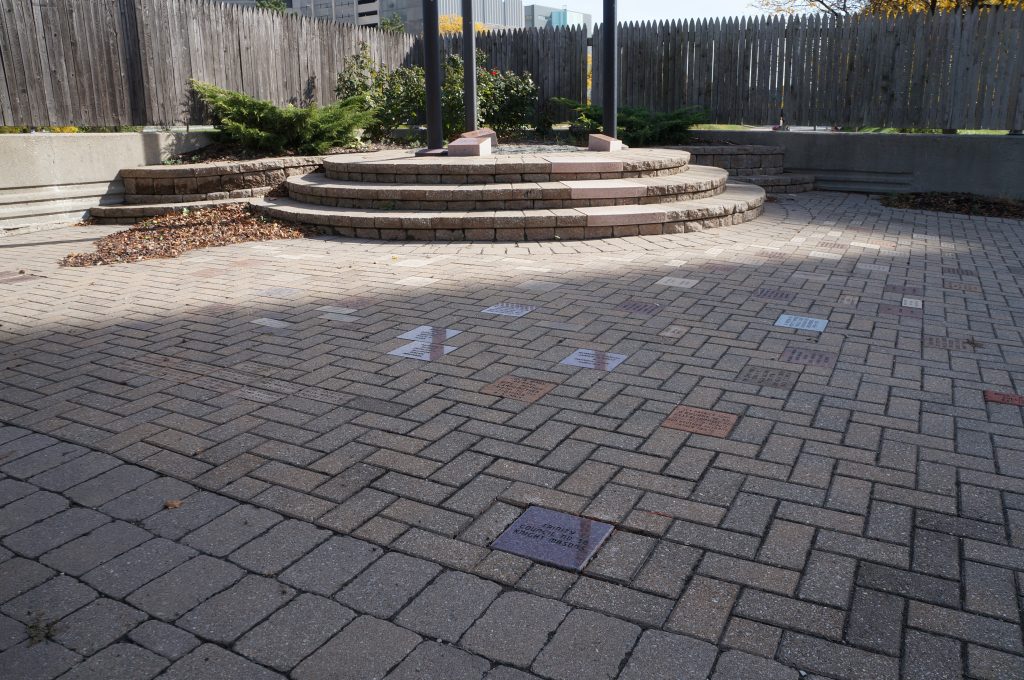
Pavers and Concrete at a Glance
| Factor | Paver Patio | Concrete Patio |
|---|---|---|
| Upfront cost | Usually higher | Usually lower |
| Freeze-thaw performance | Strong when properly installed | Can crack as the slab moves |
| Repairs | Sections can be lifted and reset | Repairs may remain visible |
| Design options | Extensive patterns, colors, and borders | Clean finish with stamped options |
| Future changes | Easier to expand or modify | New sections may not match |
| Best fit | Custom gathering spaces | Simple, budget-focused patios |
How Much Does a 20×20 Paver Patio Cost?
A 20-by-20 patio covers 400 square feet. In Central Ohio, a professionally installed paver patio may cost roughly $6,000 to $14,000 or more, depending on the paver, excavation, access, base requirements, pattern, borders, steps, walls, and drainage. Highly customized projects can exceed that range.
The lowest quote is not always the best value. Weak base preparation or incorrect slope may not become obvious until later.
A complete estimate should explain what is under the pavers, not only what they look like. Ask about excavation depth, compacted aggregate, bedding material, edge restraint, joint sand, and drainage. Those details separate lasting Patio Installation from decorative work placed on an unreliable foundation.
How Much Does a 15×30 Concrete Patio Cost?
A 15-by-30 concrete patio is 450 square feet. A basic broom-finished patio in Ohio may cost roughly $3,500 to $7,000, while stamped, colored, reinforced, or difficult-access projects can cost more. Demolition, steps, grading, and drainage corrections also affect the total.
Concrete appeals to budget-conscious homeowners because a plain slab covers a large area efficiently. Decorative upgrades narrow the price gap, while cracks and later additions may remain visible.
Before approving a quote, confirm the slab thickness, base preparation, reinforcement, slope, control joints, curing plan, and soil removal. A low square-foot price means little when essential site work is excluded.

Do Pavers Increase Property Value?
Pavers can increase a property’s appeal and usefulness, especially when the patio feels connected to the house, landscape, and family’s lifestyle. Buyers often respond to outdoor areas that already accommodate dining, grilling, relaxing, and entertaining. Still, no patio material guarantees a specific increase in sale price.
The National Association of Realtors’ outdoor remodeling research shows that outdoor improvements can provide both cost recovery and strong homeowner satisfaction. The best return usually comes from a well-scaled project rather than the most expensive design available.
One JML client described a small, sloped, previously unusable area becoming a private place for dining and family gatherings. The project also corrected a long-standing erosion problem. That kind of practical transformation is easy for future buyers to understand.
What Are the Downsides of a Concrete Patio?
Cracking is the concern most homeowners mention, but it is not the only one. A poured slab offers fewer repair options because damaged areas cannot simply be lifted and reset. Patching may improve function while leaving a visible difference in color or texture.
Concrete can also feel plain unless color, stamping, borders, or other finishes are added. Those upgrades narrow the initial price gap. Stamped surfaces may become slippery when wet, depending on the texture and sealer.
Expansion is another challenge. If you later add an outdoor kitchen, fire feature, or larger seating area, matching the original concrete can be difficult. Pavers are generally easier to remove, reconfigure, and extend.
Which Patio Requires Less Maintenance?
Maintaining a Paver Patio
Pavers benefit from routine sweeping, occasional washing, joint-sand inspection, and prompt attention to weeds or settlement. Some homeowners also choose sealing for stain resistance or richer color.
The major advantage is targeted repair. Pavers can often be removed, repaired beneath, and reinstalled without changing the entire surface.
Maintaining a Concrete Patio
Concrete is simple to sweep and wash. Sealing may be recommended for decorative finishes or stain protection, and cracks should be monitored so water does not continue entering the damaged area.
It may require less routine attention, but repairs are less forgiving and minor cracks may frustrate homeowners who expect a flawless appearance.
Which Material Creates Better Outdoor Living Spaces?
Pavers provide more freedom to create zones within a patio. A contrasting border can define the dining area, while a circular pattern can highlight a fire pit. Different sizes and textures can connect steps, walkways, seat walls, kitchens, pools, and landscaping into one design.
Concrete can also be shaped, colored, and stamped, but pavers usually provide a more natural transition between hardscape features. They work particularly well when the patio is intended to feel like an outdoor room instead of a simple pad.
Homeowners beginning the planning process may find Thinking About a Paver Patio in New Albany? Here’s How to Choose the Right Design helpful. It encourages planning around traffic flow, furniture, architecture, and daily use before choosing a pattern.
Why the Contractor Matters More Than the Brochure
Beautiful materials cannot compensate for poor preparation. Homeowners often focus on color samples while giving less attention to drainage, grade, edge support, or how the patio meets the house. Those details frequently decide whether the project performs well.
A qualified Paver Patio Contractor should explain the entire system and adapt it to the property. JML emphasizes carrying a project from planning and design through construction, helping protect important details as work progresses.
Ask to see completed projects, discuss warranties, confirm training, and ask how unexpected drainage issues are handled. Clear communication before construction matters.
Which Patio Is the Better Choice for Your Ohio Home?
Choose concrete when budget is the main concern, the design is simple, and you are comfortable with the possibility of visible cracking. A properly installed concrete patio can provide a durable surface for dining, grilling, and everyday use.
Choose pavers when you want a customized design, easier repairs, better adaptability, and a patio that can become the foundation of broader Outdoor Living Spaces. For many Ohio homeowners, those long-term advantages justify the higher initial investment.
Ultimately, the paver patio vs. concrete patio decision should reflect the property, not just a price-per-square-foot comparison. Start with how you want to use the space, then evaluate drainage, soil, design, maintenance, and budget. The best patio is the one built correctly for your home and used often by your family.

About the Author
Jeremy is the owner of JML Design – Build, an award-winning hardscape and outdoor living company serving Central Ohio. With more than 40 years of combined industry experience behind the company’s design and build philosophy, Jeremy is dedicated to helping homeowners transform their outdoor spaces into beautiful, functional environments that enhance everyday living. His approach focuses on thoughtful planning, craftsmanship, and creating outdoor spaces that feel like a natural extension of the home.
Through JML Design – Build, Jeremy specializes in designing and constructing custom outdoor living environments including patios, outdoor kitchens, fire features, retaining walls, and professionally designed landscapes. He believes that a well-planned outdoor space should reflect the homeowner’s lifestyle—whether that means entertaining guests, enjoying family barbecues, or creating a peaceful backyard retreat.

