Small outdoor spaces present a unique opportunity to create a personal oasis. With the right water feature, even the tiniest yard can feel expansive and serene. The gentle sound of moving water masks street noise, attracts birds and butterflies, and brings a sense of calm that screens and fences can’t replicate. In this blog, I’ll explore how to choose, design and maintain water features that are perfectly scaled for modest yards. As a designer at JML Design‑Build Hardscaping, I’ve installed everything from bubbling urns to complex pondless waterfalls, and I’ve learned that thoughtful planning is the key to success.
- The Appeal of Small Backyard Water Features
- Types of Water Features for Compact Spaces
- What Size Water Feature Should You Install?
- Designing for Space: Tips for Small Yards
- How to Maintain Your Backyard Water Feature Year‑Round
- Common Fountain Garden Mistakes to Avoid
- Sustainable and Eco‑Friendly Water Features
- Real‑Life Inspiration: A JML Design‑Build Story
- Choosing a Professional Partner
- Conclusion

The Appeal of Small Backyard Water Features
Water has always been a powerful element in landscape design. Even a simple fountain creates a focal point, ties together disparate plantings, and elevates a yard from ordinary to extraordinary. In compact spaces, water features serve a dual purpose: they draw the eye upward or inward to make a yard feel larger, and their soothing sounds mask the hustle of the surrounding neighborhood. When we install features like bubbling rocks or pondless waterfalls, clients frequently tell us they spend more time outside and feel less stressed. These projects also add to property value; buyers perceive water features as luxurious upgrades that set a home apart.
Beyond aesthetics, water features can improve microclimates. Moving water releases negative ions that clean the air and increase humidity during dry summers. Wildlife benefits too; birds use shallow basins to drink and bathe, while pollinators are drawn to the moisture around ponds and streams. For homeowners focused on wellness, a water feature is a natural sound machine that drowns out traffic and invites meditation.
Types of Water Features for Compact Spaces
Many people think a water feature needs a large garden, but there are several designs suited to smaller yards. Below is a quick reference table comparing some of the most popular options:
| Feature Type | Space Requirements | Highlights |
|---|---|---|
| Bubbling Urns & Bowls | Minimal footprint; great for patios or tight corners | Simple installation, easy to maintain, and they add gentle sound and movement. |
| Pondless Waterfalls | Require a small basin underground; surface area can be as little as a few square feet | Create the illusion of a stream without a standing pond; safe for children and pets. |
| Wall Fountains/Water Walls | Vertical design uses height rather than width | Provide dramatic visual impact and tranquil sound while preserving floor space. |
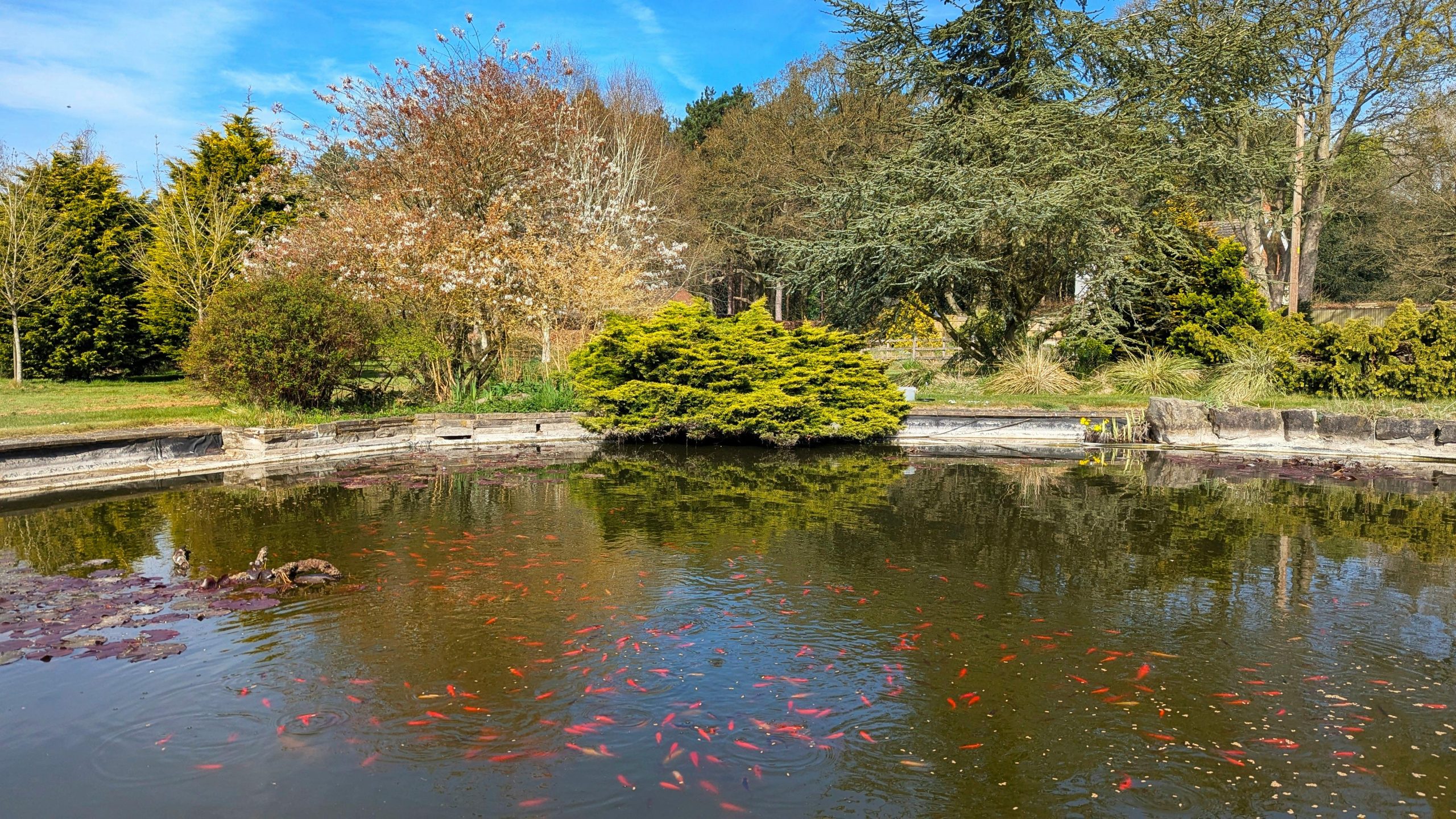
| Container Ponds | Portable containers placed on decks or patios | Allow aquatic plants and even small fish; perfect for renters or those with limited space. |
| Solar‑Powered Fountains | Flexible placement due to lack of wiring | Eco‑friendly and energy efficient; many styles available. |
Each style has its own character. A bubbling urn offers instant gratification and minimal maintenance, while a pondless waterfall replicates the sound and movement of a natural stream. Wall fountains deliver contemporary elegance and are ideal for narrow side yards or urban courtyards. Even container ponds can be sophisticated, showcasing miniature lilies and providing habitat for beneficial insects.
For more inspiration and examples of beautiful installations, browse this detailed guide by Reedy River Landscapes, which highlights low‑maintenance designs used in luxury landscapes.

What Size Water Feature Should You Install?
Size and scale are critical when planning a small yard. A feature that is too large will overwhelm the space and feel out of place, while one that is too small may go unnoticed. Start by measuring your yard’s dimensions and identifying potential locations. Consider how the feature will look from different viewpoints—your patio, kitchen window and even the street. Compact yards benefit from slim, vertical fountains or small tiered designs, whereas medium yards can handle pondless waterfalls or modest ponds.
Proportion extends beyond physical dimensions; the sound level and water flow matter too. A gentle trickle suits cozy seating areas and won’t overpower conversation. Larger flows, such as multi‑tiered cascades, can mask noise from busy streets but may feel excessive in intimate spaces. Balance the visual weight of the feature with surrounding elements—trees, beds, and hardscaping—so that the water feature enhances rather than competes with the landscape.
Designing for Space: Tips for Small Yards
- Plan thoroughly. Before breaking ground, sketch your yard to scale. Decide on the feature’s purpose—do you want a focal point, white noise, or wildlife habitat? Consulting a professional can save time and prevent expensive mistakes.
- Choose the right location. Avoid placing water features under trees where falling leaves will clog pumps. Ensure the site is level and consider accessibility to electrical outlets if the feature requires power. If children use the yard, opt for shallow basins or pondless designs for safety.
- Use vertical space. Water walls and spouts mounted on fences or retaining walls draw the eye upward and free up floor area. They’re especially effective in narrow side yards or courtyards.
- Blend with the landscape. Integrate materials that match your existing hardscape—stone, brick, or wood—to create cohesion. Plant moisture‑loving perennials around the feature to soften its edges and attract pollinators.
- Consider sunlight and shade. Direct sunlight increases evaporation and encourages algae growth. If your yard is sunny, plant shade trees or install a pergola; or select a shaded location for your feature.
- Think about visibility. A fountain tucked in a corner might be lost. Place your feature where it can be enjoyed from multiple angles, especially from indoor living spaces.
How to Maintain Your Backyard Water Feature Year‑Round
Adding water to your landscape comes with responsibilities, but a consistent maintenance routine makes upkeep manageable. Here are key steps to keep your feature in top shape:
- Regular cleaning. Clean fountains every one to three months to prevent algae and mineral buildup. For ponds, skim leaves weekly and perform a deep clean each spring and fall.
- Keep water moving. Even static ponds need circulation. A pump aerates the water, deters mosquitoes and algae, and keeps fish healthy. Choose a pump rated for your feature’s size and check it often.
- Check and protect your pump. Pumps can clog with debris. Remove and clean filters regularly, and if the pump makes odd noises or the water level drops, investigate immediately. In freezing climates, remove pumps before winter and store them indoors to avoid cracking.
- Shade and water quality. Limit algae growth by shading about 60 percent of a pond’s surface with aquatic plants or adjacent landscaping. Change fountain water weekly to prevent odors and use non‑toxic additives when necessary.
- Winterize properly. Before the first freeze, drain ponds or basins, remove pumps and store them somewhere dry. Cover outdoor fountains to protect them from ice damage if they cannot be moved.
These steps may seem detailed, but they become routine quickly. Many of our clients schedule seasonal maintenance visits with us so they can enjoy their features without worry.
Common Fountain Garden Mistakes to Avoid
Creating a water feature is exciting, but several pitfalls can turn your dream into a maintenance nightmare. Being aware of these mistakes helps you avoid frustration and unnecessary costs:
Lack of proper planning. Skipping the planning phase is the number‑one mistake. Without clear goals and sketches, the feature may not fit your space or meet your expectations. Determine its purpose and how it integrates with the existing landscape before you start digging.
Inappropriate siting. Placing a fountain under a tree or next to your home’s foundation invites problems. Falling leaves clog pumps, and water spray can damage siding or lead to damp foundations. Select a level area away from overhanging branches and provide room for splashing.
Ignoring scale and proportion. A towering fountain in a petite courtyard overwhelms the space, while a small bubbler may get lost in a sprawling lawn. Match the feature’s scale to your yard’s size and balance it with other elements.
Poor water management. Stagnant water encourages algae, mosquitoes and unpleasant odors. Ensure your design includes proper circulation and filtration systems. A reliable pump and filtration keep water clear and healthy.
Overlooking maintenance requirements. All water features require care, but complex designs demand more time. Choose materials and styles that align with the level of upkeep you’re willing to perform, and budget for professional help if needed.
By anticipating these issues, you can design a feature that looks stunning and remains easy to live with.
Sustainable and Eco‑Friendly Water Features
Sustainability isn’t just a buzzword; it’s a practical strategy for reducing your water feature’s environmental impact. Consider these eco‑friendly approaches:
- Self‑sustaining ponds. Modern eco‑pond systems use biofilters, aquatic plants and fish to create a balanced ecosystem that keeps water clean. Beneficial bacteria and aquatic plants absorb nutrients and prevent algae growth, eliminating the need for chemicals.
- Solar‑powered fountains. Solar fountains run entirely on sunlight and don’t require electrical wiring. Models with integrated batteries allow nighttime use, and their portability lets you experiment with placement.
- Rainwater harvesting. Collect rainwater from roofs and direct it to refill ponds or fountains. This reduces municipal water use and can be integrated into downspouts with simple filtration.
- Native plantings. Surround your feature with native perennials and grasses that require less water and provide habitat for local wildlife. They also help shade the water and maintain water quality.

Sustainable features may have higher upfront costs, but they save money and resources in the long run. Eco‑friendly systems also align with the growing trend toward regenerative landscapes.
Real‑Life Inspiration: A JML Design‑Build Story
At JML Design‑Build Hardscaping, we specialize in crafting unique water features that fit our clients’ lifestyles and spaces. One project still makes me smile years later. The homeowners wanted something “crazy” for their small Columbus backyard—a feature that would surprise guests and blend seamlessly with their modern patio.
We designed a pondless waterfall that wound through a raised planter before disappearing beneath a flagstone terrace. Layers of natural stone created a multi‑tiered cascade, and strategically placed LED lights illuminated the water at night. To make the most of the small footprint, we incorporated a vertical spillway carved into a reclaimed barn beam. The result was a sculpture that looked like it had always been there. We also added a small seating nook where the family could enjoy morning coffee while listening to the water.
Maintenance was simplified with a self‑cleaning biofilter and a hidden reservoir that collected and recirculated the water. Because there was no standing pond, the feature was safe for the clients’ young children. Seeing their faces light up when we turned on the pump for the first time reminded us why we love what we do.
Choosing a Professional Partner
While DIY kits are available, partnering with an experienced installer ensures your water feature is beautiful, functional and built to last. Professionals can help with everything from design and permitting to excavation and maintenance. At JML, we pride ourselves on being experts in Backyard Waterfall Design and Custom Backyard Pond Installation. Our team knows how to size pumps correctly, select durable materials and integrate features like lighting and automation.
Beyond technical know‑how, a good partner will listen to your vision and translate it into a design that reflects your personality. Whether you’re dreaming of a small container pond or an Award‑Winning Water Feature, working with professionals can save time and help you avoid costly mistakes. We also offer comprehensive Pond Installation services that include maintenance plans, ensuring your investment stays beautiful for years to come.
For readers curious about budget, check out Getting a Water Feature Installed in your backyard? Here is how much you should pay!. This guide provides insights into pricing, from small bubbling fountains to elaborate koi ponds.
Finally, if you’re exploring options beyond water features, we invite you to learn about Water Features & Pond Installation on our main site. Our portfolio showcases a range of projects across Columbus and beyond.
Conclusion
Water features have a transformative power that belies their size. The right installation can turn a small backyard into a refuge, provide habitat for wildlife and increase the value of your home. By choosing a feature that suits your yard, planning its placement carefully, and committing to regular maintenance, you’ll enjoy years of tranquility and beauty. If you’re ready to explore the possibilities, JML Design‑Build Hardscaping is here to help.
About the Author
Jeremy is the owner of JML Design – Build, an award-winning hardscape and outdoor living company serving Central Ohio. With more than 40 years of combined industry experience behind the company’s design and build philosophy, Jeremy is dedicated to helping homeowners transform their outdoor spaces into beautiful, functional environments that enhance everyday living. His approach focuses on thoughtful planning, craftsmanship, and creating outdoor spaces that feel like a natural extension of the home.
Through JML Design – Build, Jeremy specializes in designing and constructing custom outdoor living environments including patios, outdoor kitchens, fire features, retaining walls, and professionally designed landscapes. He believes that a well-planned outdoor space should reflect the homeowner’s lifestyle—whether that means entertaining guests, enjoying family barbecues, or creating a peaceful backyard retreat.